Advancing Africa’s Human Capital Agenda: From Global Commitments to Systemic Implementation
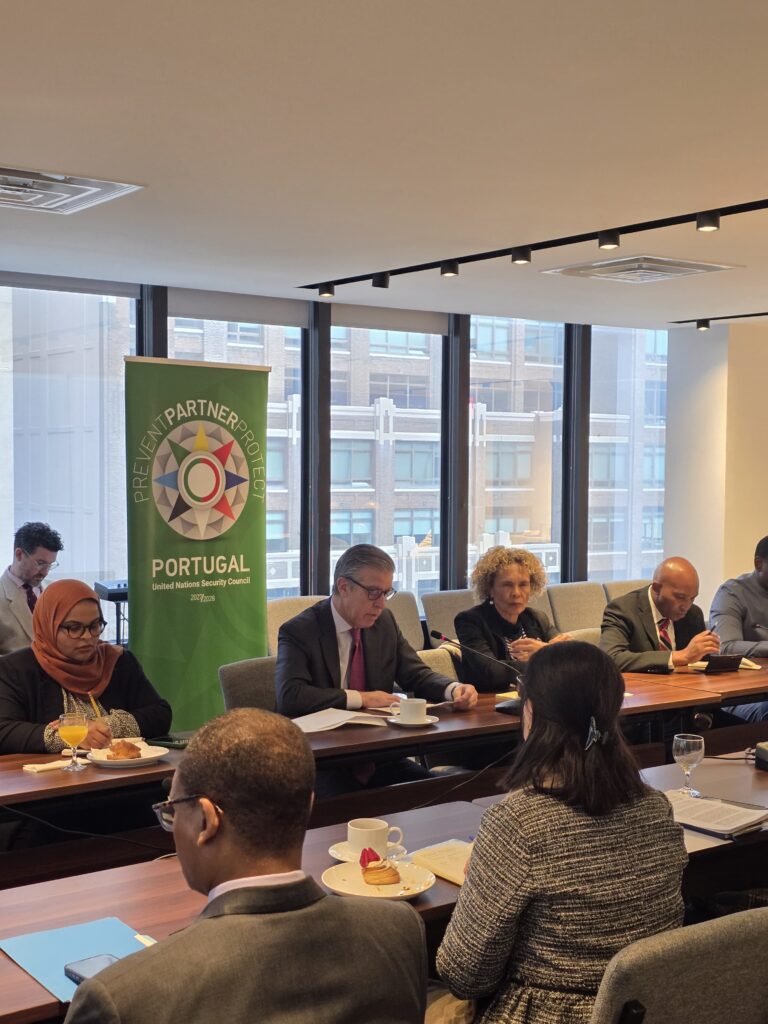
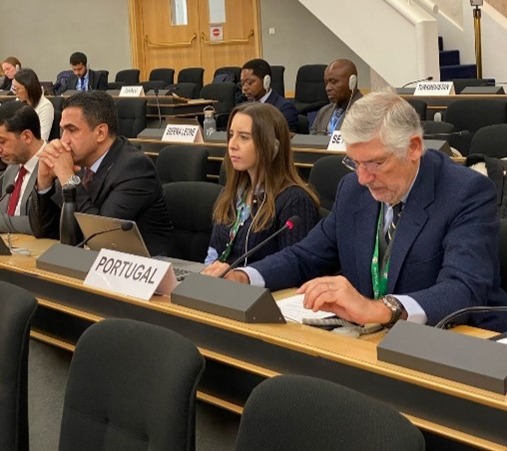
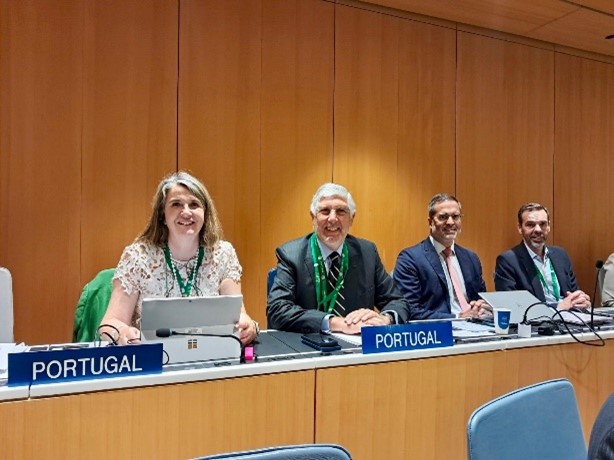
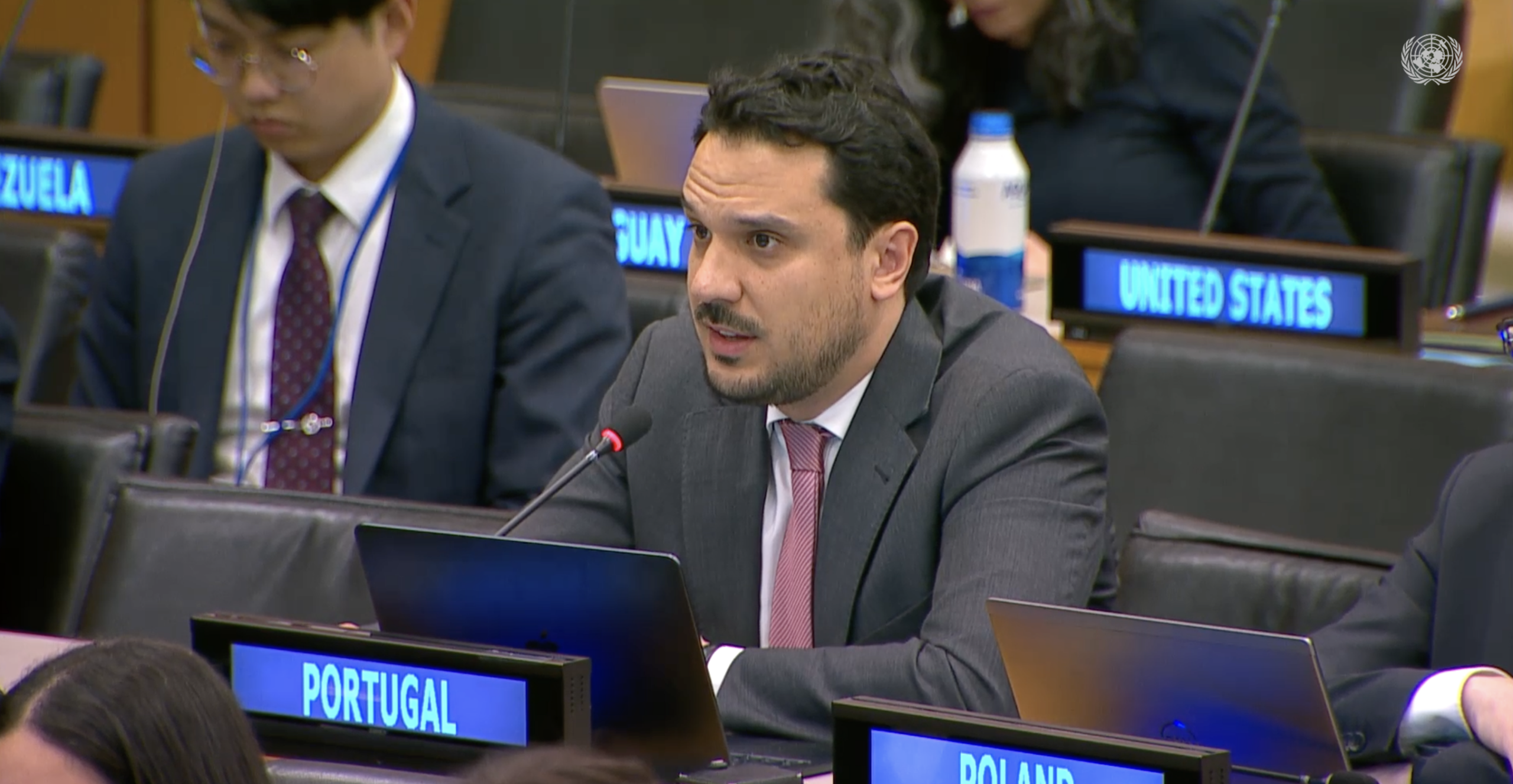
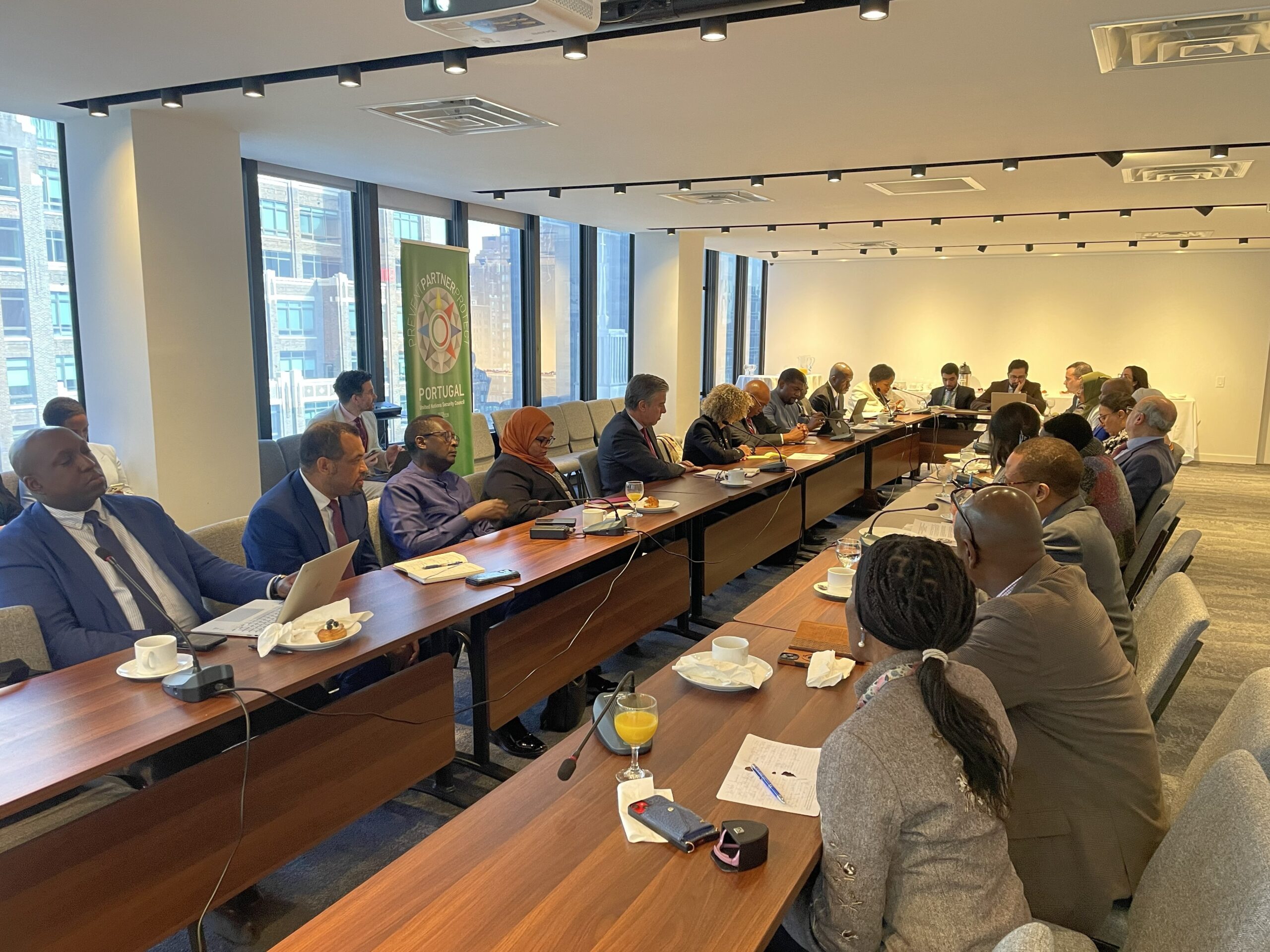
The Permanent Mission of Portugal to the United Nations hosted a high-level discussion on Advancing Africa’s Human Capital Agenda: From Global Commitments to Systemic Implementation, at the margins of the UN Commission for Social Development (CSocD), in partnership with the UN Office of the Special Adviser on Africa.
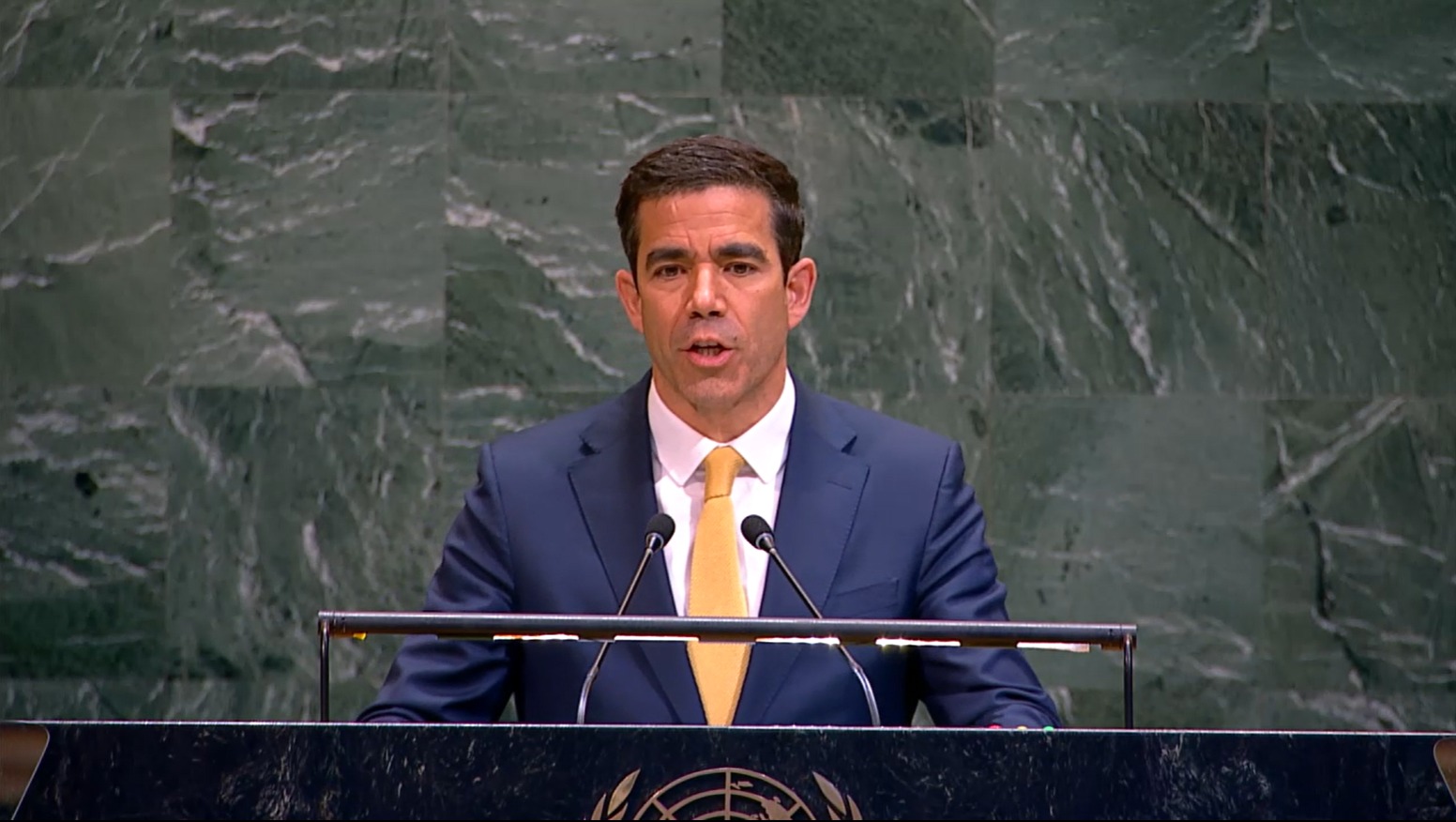
Opening the event, Ambassador Rui Vinhas underlined that, despite a challenging international context, the international community has agreed on ambitious frameworks, including the 2030 Agenda, the Pact for the Future, the Sevilla Commitment, the Doha Political Declaration and Africa’s Agenda 2063. The priority, he stressed, is now effective implementation. Human capital was highlighted as a strategic resource and a preventive investment, noting its relevance for addressing root causes of fragility and thus contributing to peace and security.
Portugal’s own development cooperation approach was presented as an illustration of this shift toward systemic, institution-based engagement. Portugal prioritises capacity development within public institutions and favours programmatic, multi-annual partnerships over isolated projects, including long-term cooperation in education, vocational training, health and social protection across several African partner countries. This approach also reflects Portugal’s commitment to the humanitarian-development-peace nexus, particularly in contexts of fragility.
In her keynote address, USG Cristina Duarte challenged prevailing narratives on Africa’s development constraints, arguing that persistent gaps are not primarily the result of external shocks, but of an ineffective international cooperation model shaped by mis-profiling on both sides. She called for a paradigm shift away from fragmented, aid-driven projects towards predictable financing, stronger national institutions and investable pipelines. In this context, she emphasized the need to reposition the United Nations as a broker of knowledge, policy and partnerships, rather than finance, in line with the UN 2.0 agenda.
The discussion highlighted the importance of addressing structural issues such as illicit financial flows, domestic resource mobilization, intra-African trade and digital transformation to unlock Africa’s human capital and translate global commitments into systemic, nationally owned outcomes.