Portugal Calls for Renewed Action on Responsibility to Protect Amid Rising Atrocities
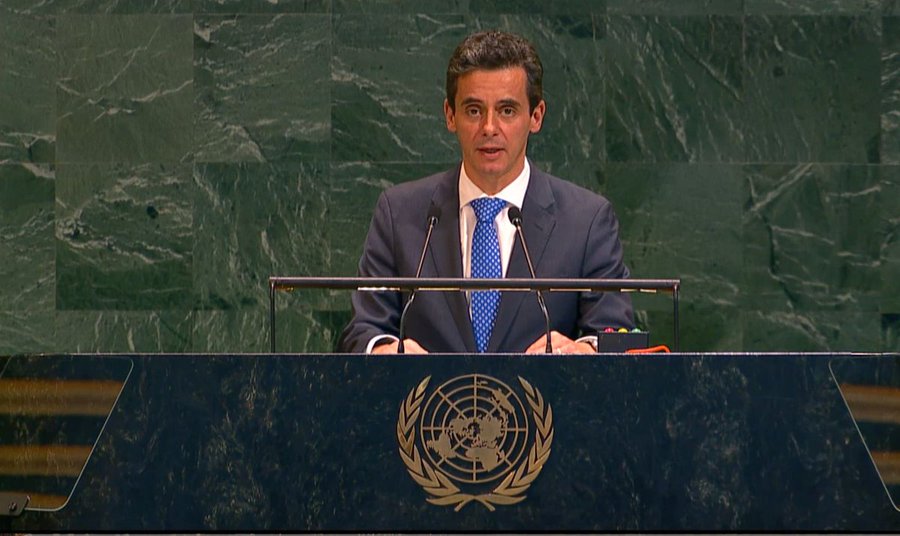
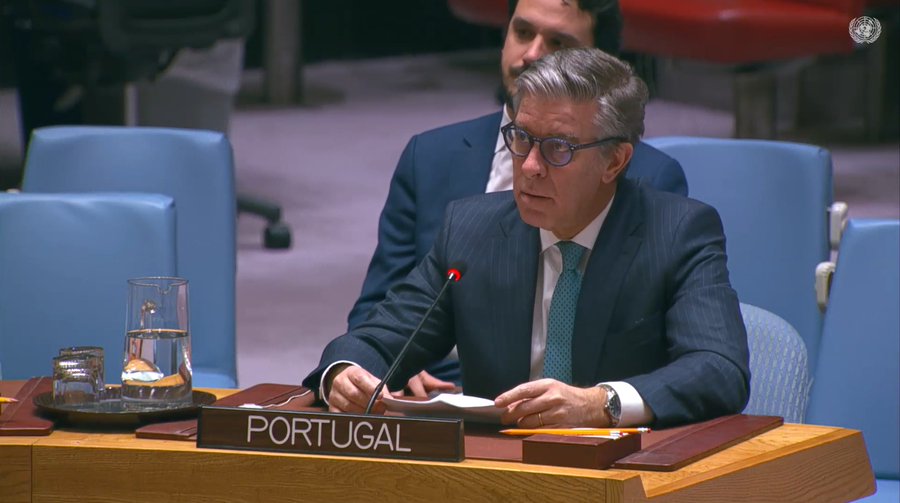
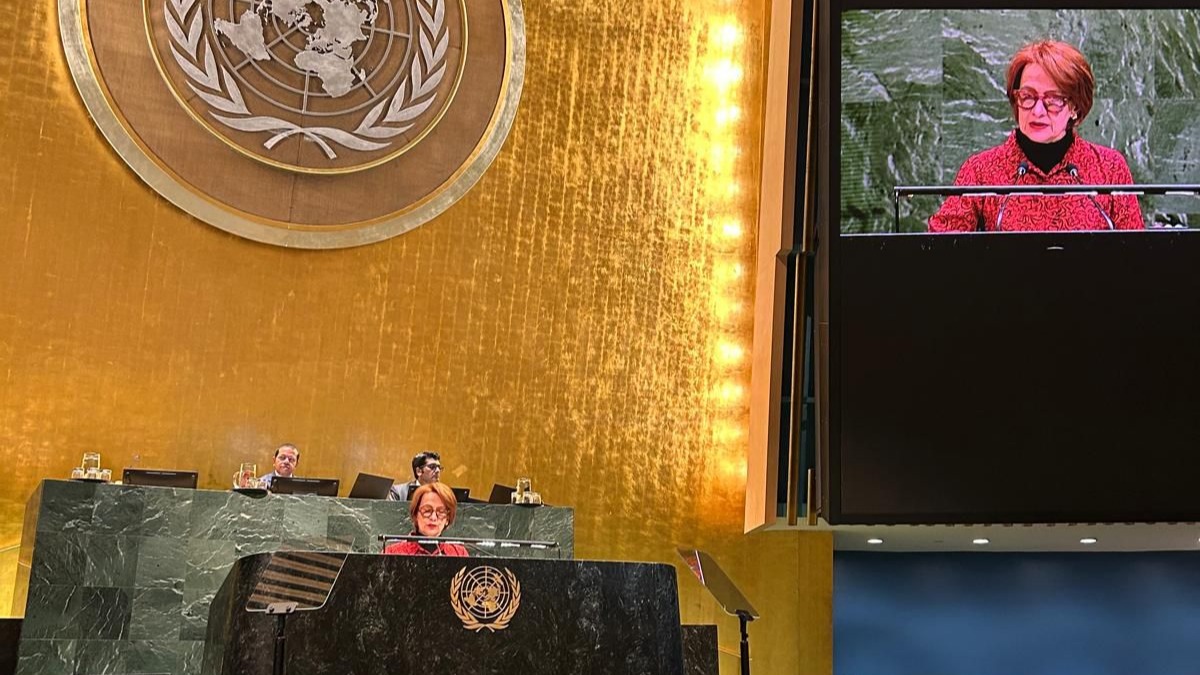
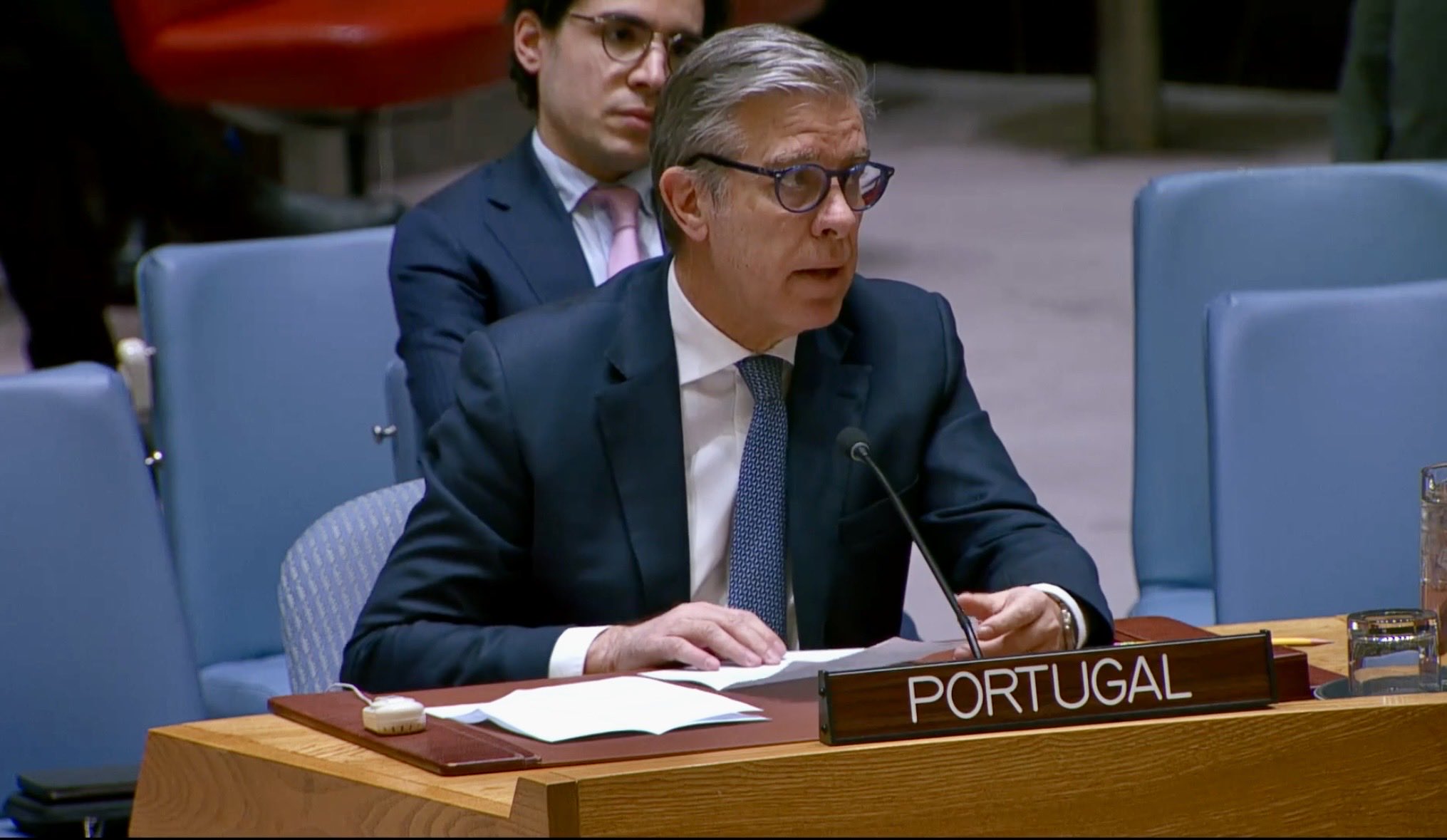
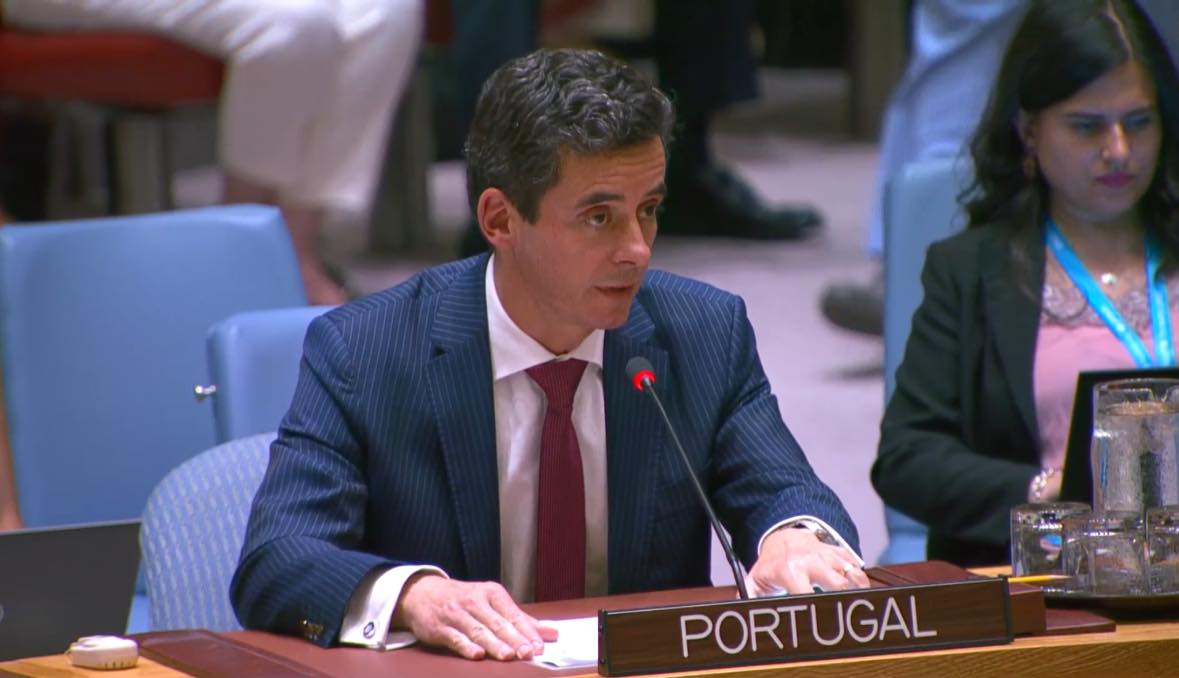
At the 20th anniversary of the United Nations Security Council Resolution 1612, on June 25th, and two decades after adopting the Responsibility to Protect (R2P), the international community faces a troubling reality: atrocity crimes persist and are evolving. This was Portugal’s central message in a recent UN statement.
Portugal acknowledged a sobering UN report highlighting the severe plight of civilians in conflicts from Ukraine and Sudan to Palestine, Haiti, and Myanmar. New threats – like the misuse of drones, AI, and disinformation – are amplifying risks and complicating accountability.
While noting progress in national mechanisms (e.g., Kenya, Rwanda) and regional cooperation (AU, ECOWAS, ASEAN), Portugal warned that advances are insufficient against major challenges, such as Security Council inaction and unregulated emerging threats.
Portugal outlined essential actions: strengthen national prevention, support veto restraint initiatives, deepen regional cooperation, and integrate atrocity prevention into peacekeeping and peacebuilding. The recent breakthrough on a crimes against humanity convention, under the Portuguese leadership of the 6th Committee, was cited as a key step forward.
“Protecting vulnerable populations is a moral and legal imperative. The norms exist, but implementation is lacking,” Portugal stated. As a candidate for the UN Security Council (2027-2028), Portugal committed to turning this imperative into concrete action for prevention, justice, and hope.