Portugal supports smooth transitions for graduating Least Developed Countries
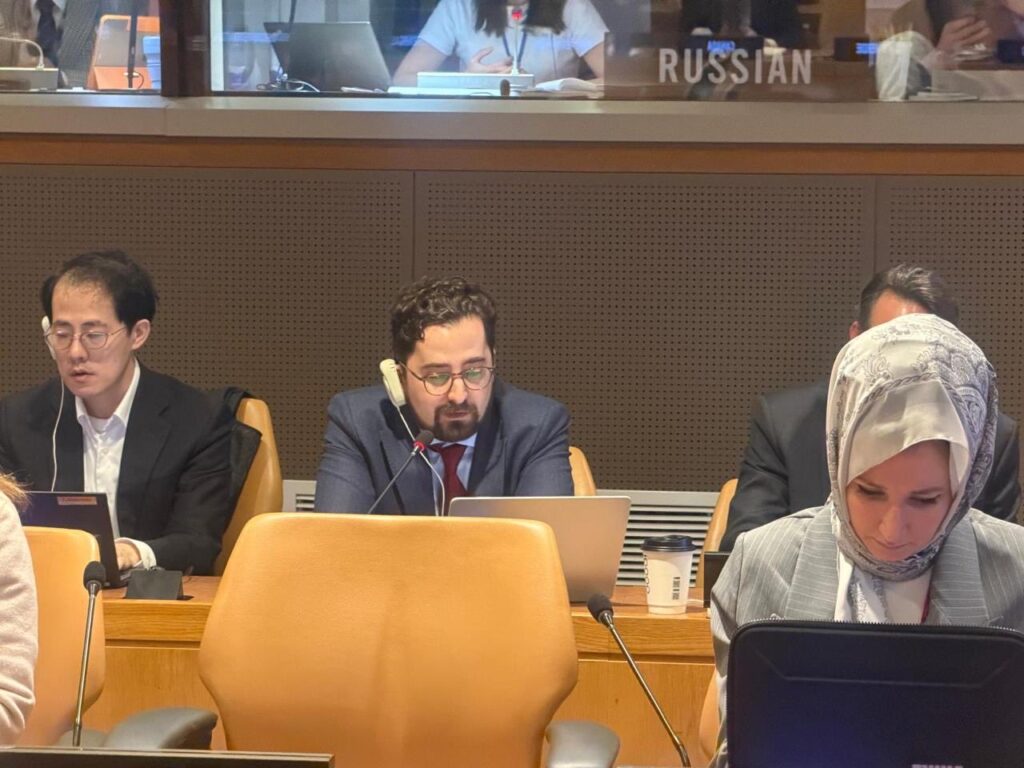
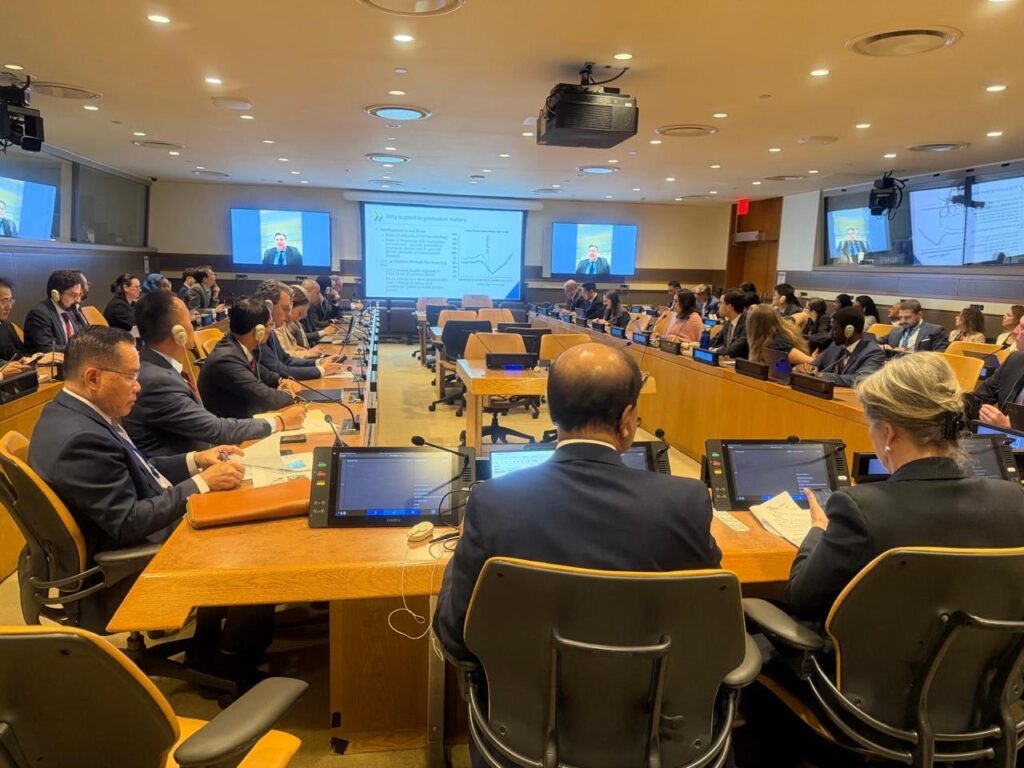
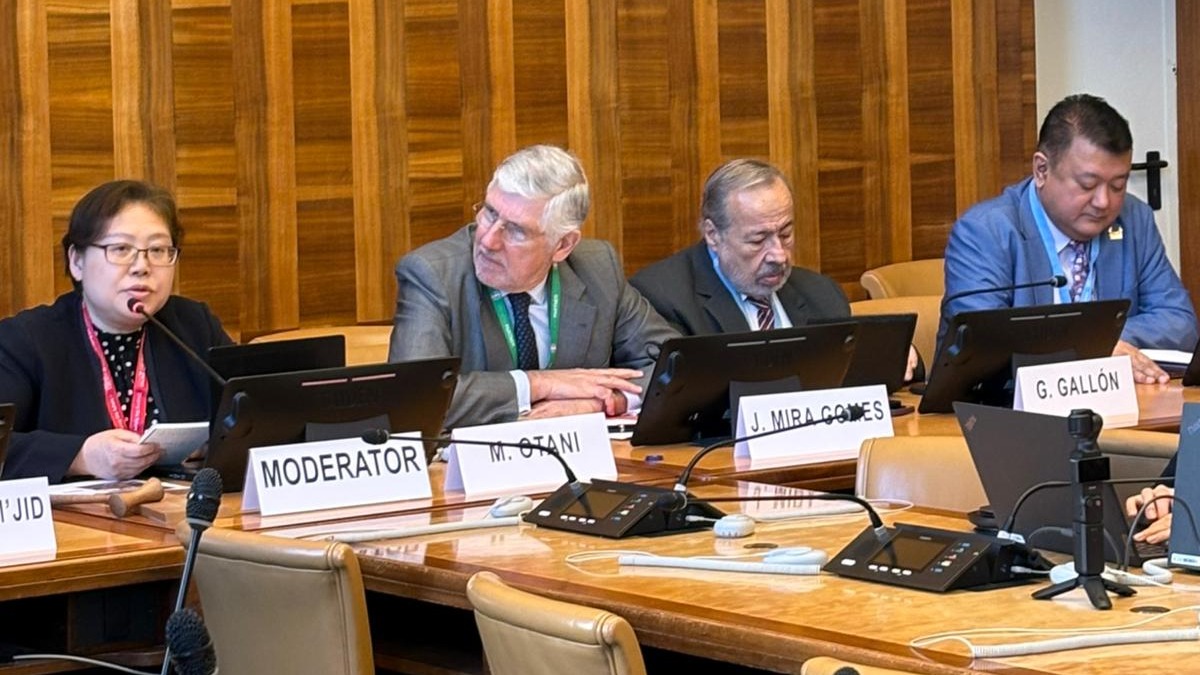
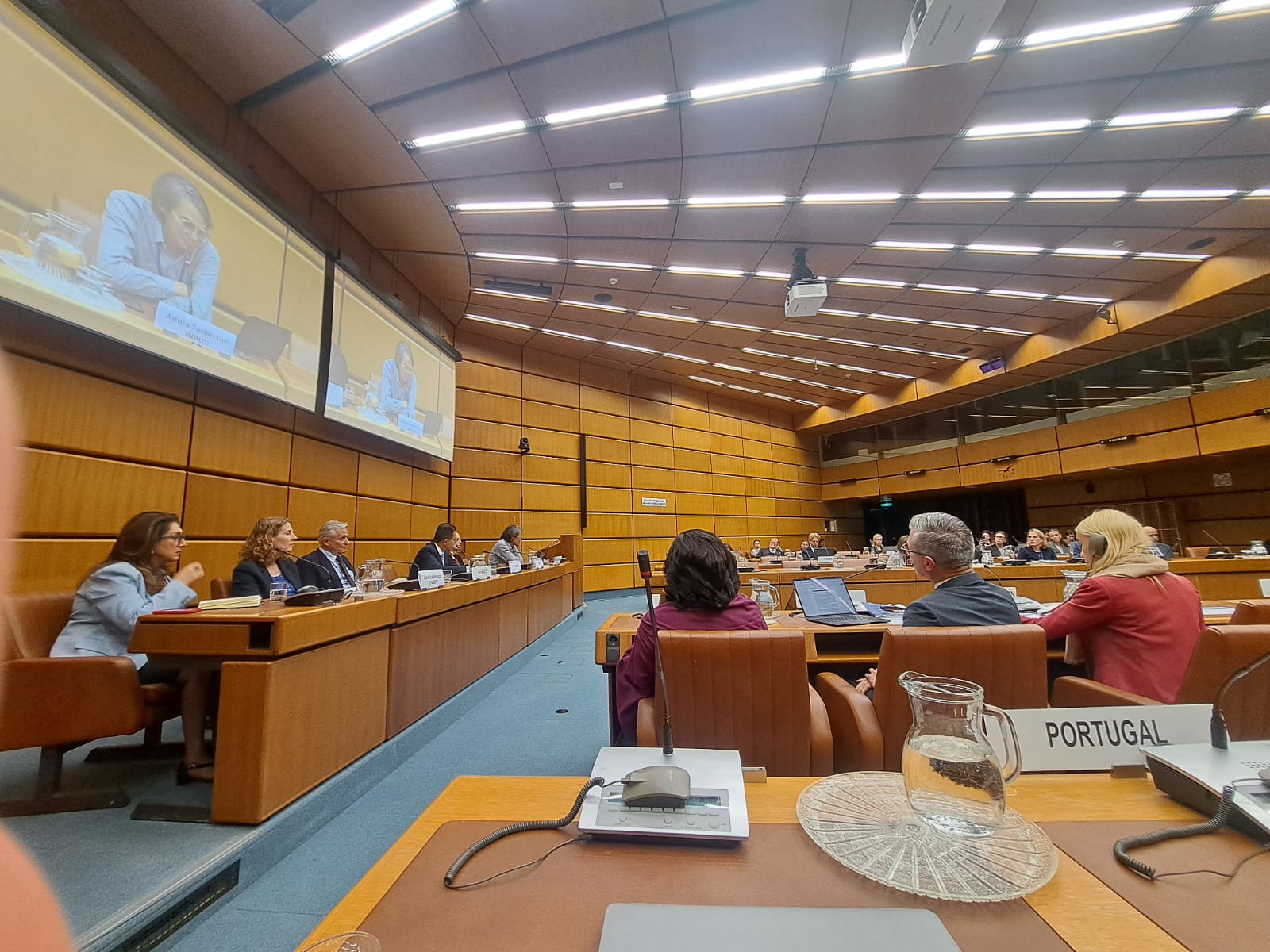
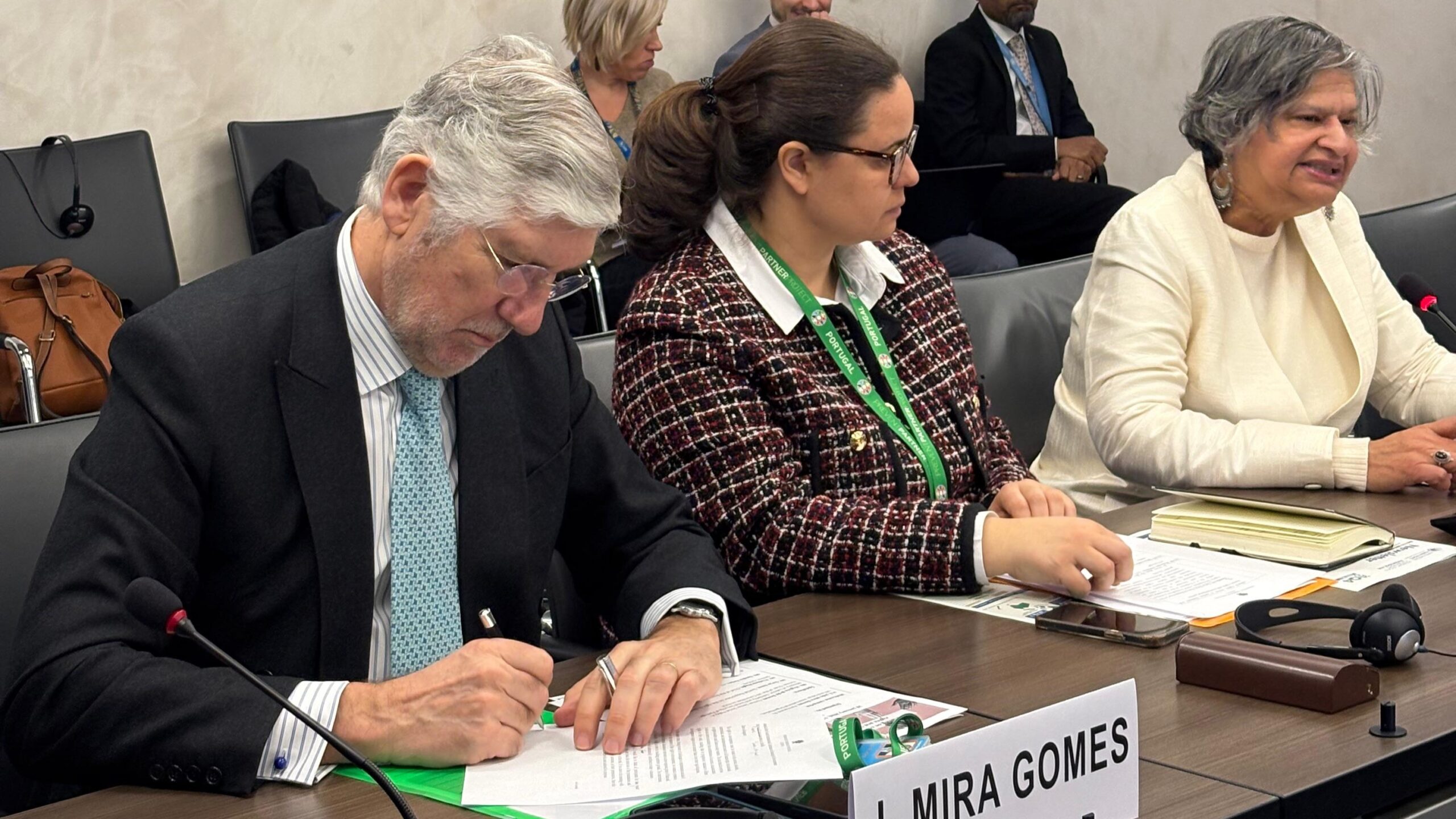
Portugal is participating actively in the Ad Hoc Working Group on Smooth Transition for Countries Graduating from the Least Developed Country category, reaffirming its support for sustainable graduation as a development achievement that should not lead to disruption or reversal of progress.
Established by the General Assembly, the Ad Hoc Working Group is mandated to review and update the existing framework on smooth transition and support to graduating and recently graduated Least Developed Countries. Its work aims to inform future negotiations on an updated General Assembly resolution, building on country experiences, existing mandates and the Doha Programme of Action.
Portugal’s engagement in this agenda is both political and practical. Portugal supports the process financially, through a contribution to OHRLLS in support of the work of the open-ended Ad Hoc Working Group, as well as through contributions to the Sustainable Graduation Support Facility, iGRAD.
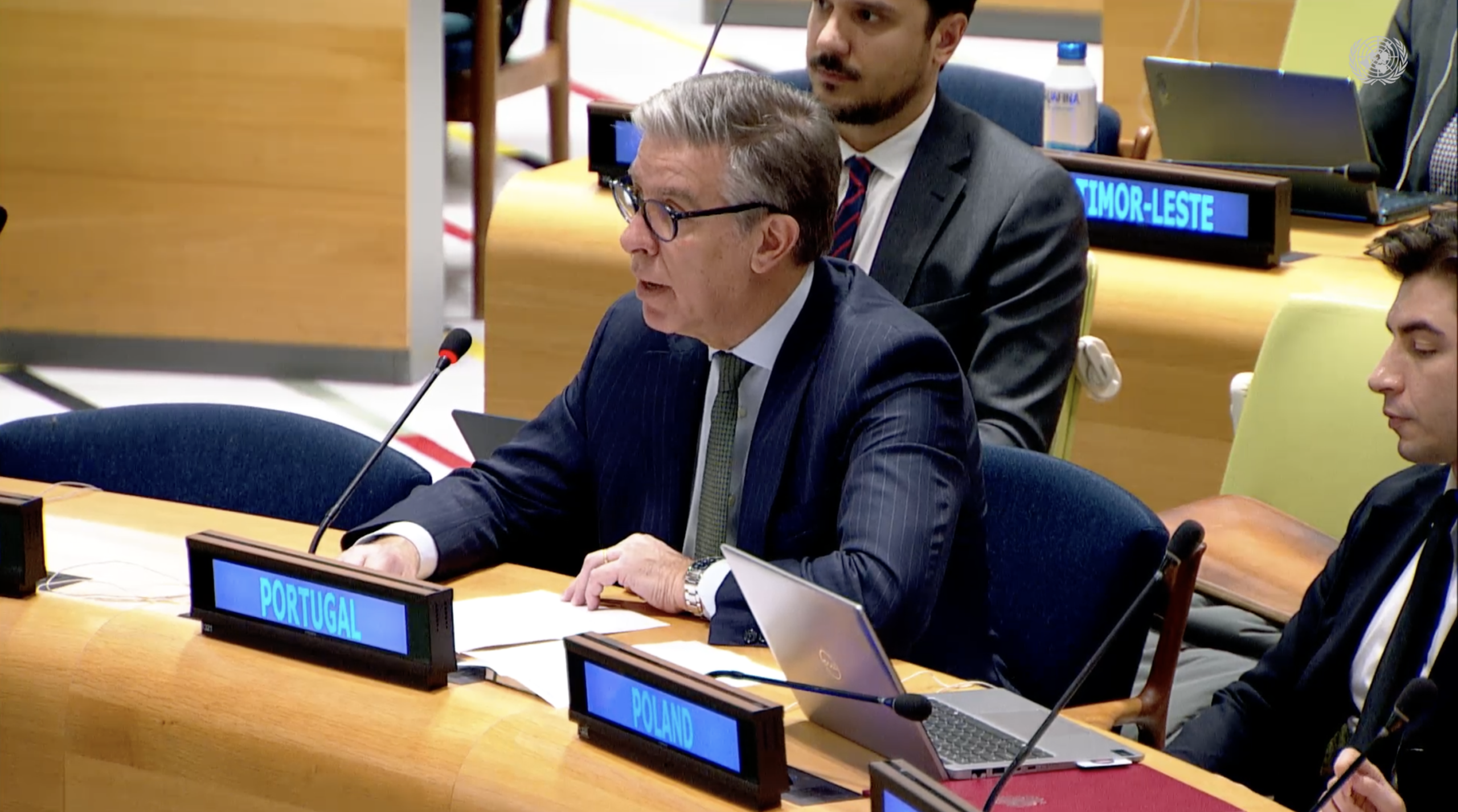
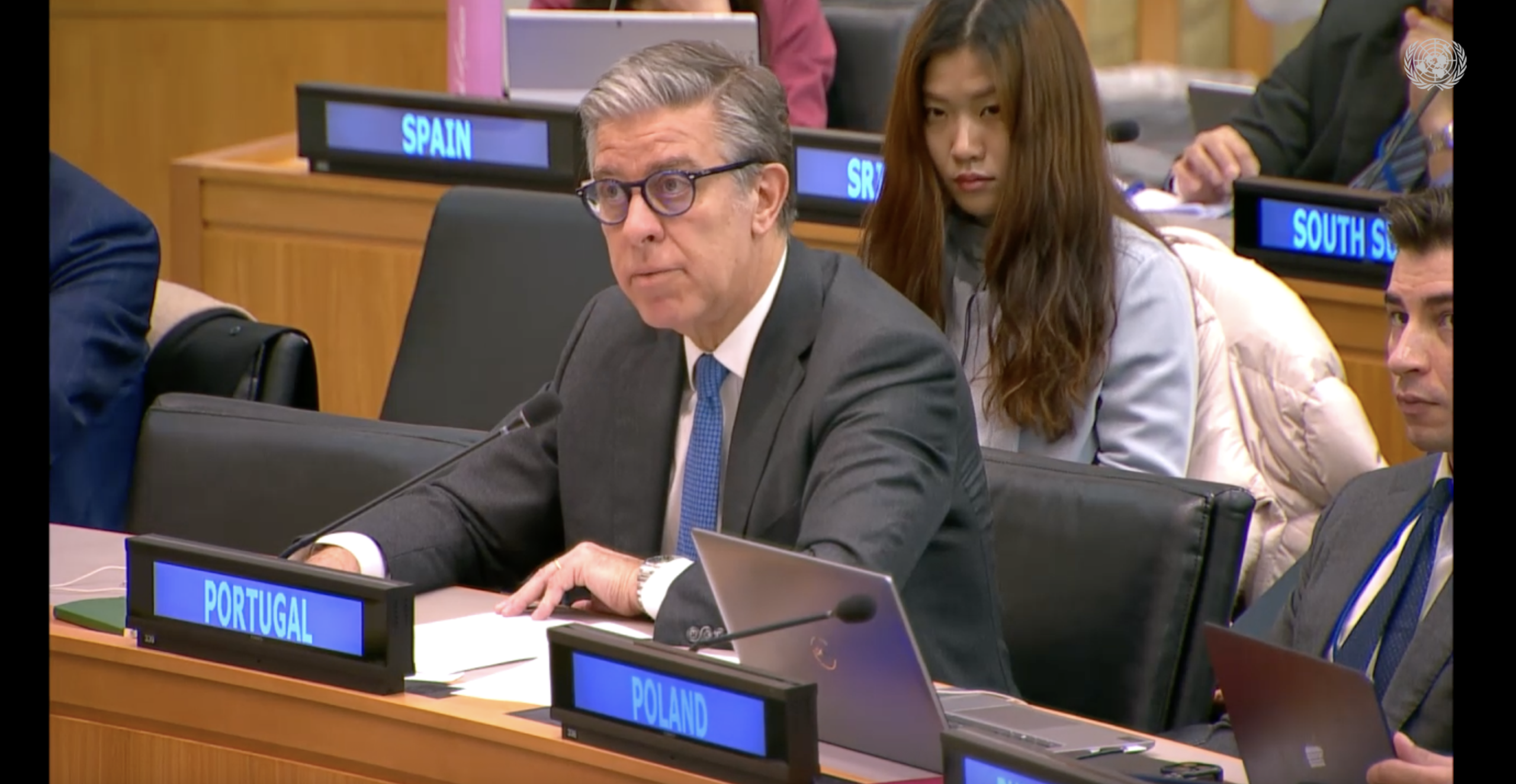
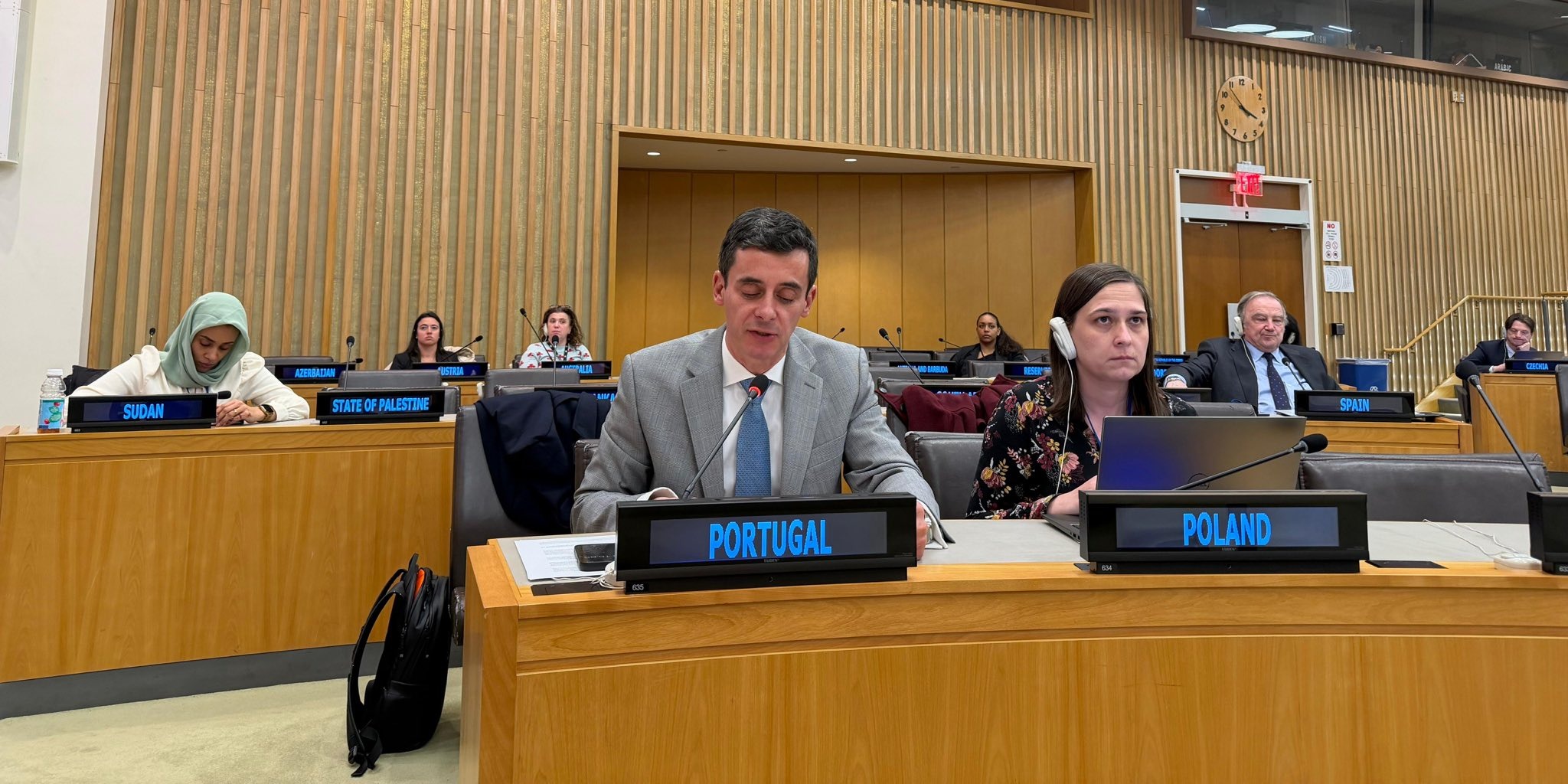
At the organizational session, held on 25 March, Portugal welcomed the appointment of Angola and Finland as Co-Chairs and expressed full support for an inclusive, transparent and evidence-based process. Portugal underlined that many of its development partners are Least Developed Countries, including countries that have recently graduated or are preparing for graduation, and stressed that graduation should mark progress, not disruption.
Throughout the Working Group’s discussions since then, Portugal has highlighted the importance of updating the graduation framework to reflect today’s realities. Graduation experiences have become more numerous and diverse, and countries may continue to face structural vulnerabilities, financing constraints and capacity gaps before, during and after graduation. In this context, Portugal also underlined the relevance of connecting the smooth transition agenda with broader discussions on multidimensional vulnerability. Tools such as the Multidimensional Vulnerability Index (MVI) can help ensure that support frameworks better reflect countries’ real conditions and resilience needs, particularly for Small Island Developing States and economies exposed to external shocks.
Portugal also emphasized the value of differentiated and nationally owned smooth transition strategies. There is no single model for such strategies: some countries prepare standalone transition plans, while others integrate them into national development plans or broader planning instruments. Portugal welcomed this diversity of approaches, while stressing that transition strategies should help anticipate the impacts of the phase-out of Least Developed Country-specific support and mobilize timely engagement from bilateral, multilateral and trading partners.
Drawing on the experiences of graduated and graduating countries, Portugal encouraged stronger sharing of lessons among peers, including through South-South and triangular cooperation. The experiences of countries such as Cabo Verde and São Tomé and Príncipe are particularly relevant for Portugal, both as recently graduated Portuguese-speaking partners and as examples of the need to ensure that graduation is accompanied by continued support for resilience, capacity-building and sustainable development.
By engaging in the Ad Hoc Working Group, Portugal reaffirmed its commitment to a multilateral system that supports countries throughout their development pathways. Smooth transition is not only about managing the phase-out of existing measures; it is about ensuring that development progress is sustained, vulnerabilities are addressed, and countries are supported as they move towards more resilient and inclusive development.