70 years of commitment to multilateralism: Portugal and 15 other countries reaffirm the centrality of the United Nations
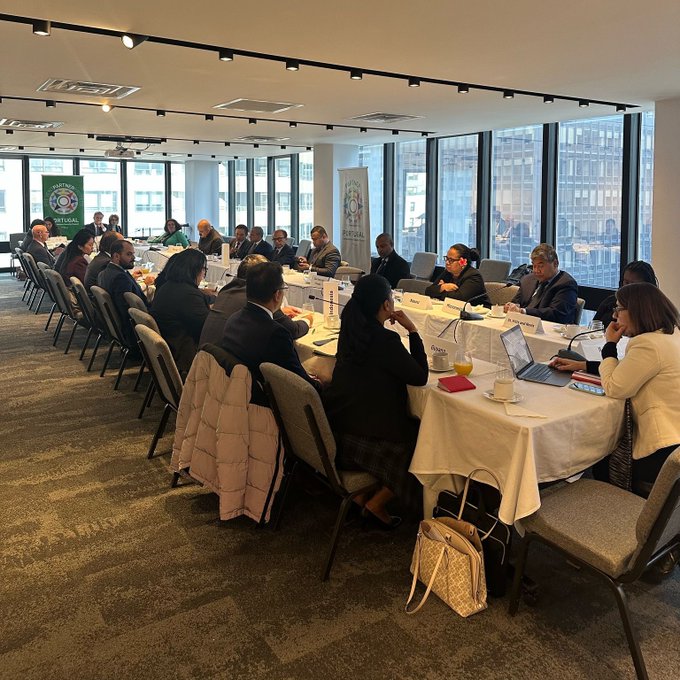
On 11 December 2025, Portugal hosted an event marking the 70th anniversary of its accession to the United Nations, together with 15 other countries: Albania, Austria, Bulgaria, Cambodia, Finland, Hungary, Ireland, Italy, Jordan, Lao PDR, Libya, Nepal, Romania, Sri Lanka and Spain. The event provided an opportunity for collective reflection on the evolution of the multilateral system since 1955, as well as on the current and future challenges facing the United Nations in an international context marked by growing geopolitical tensions, reform processes and interlinked crises.
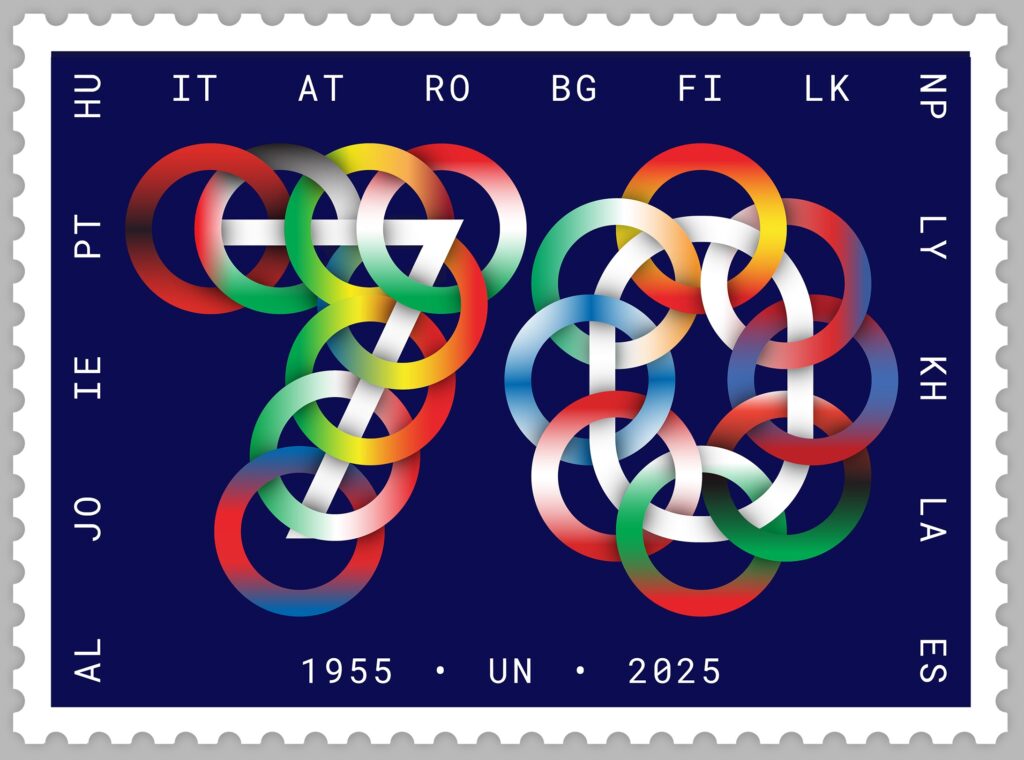
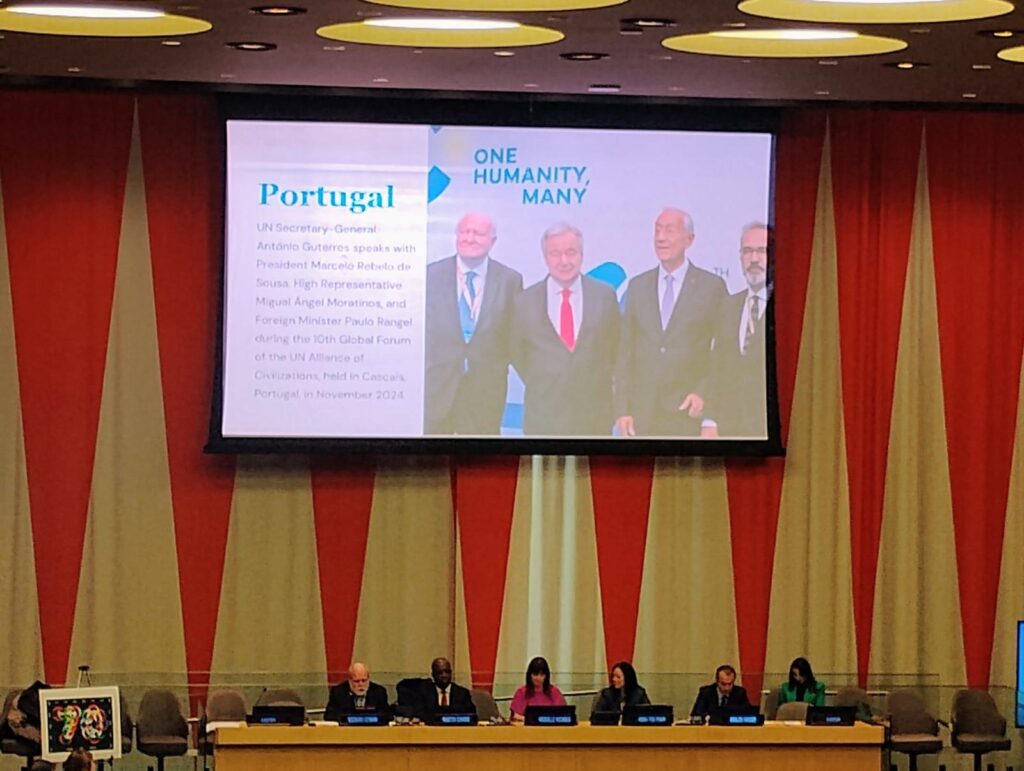
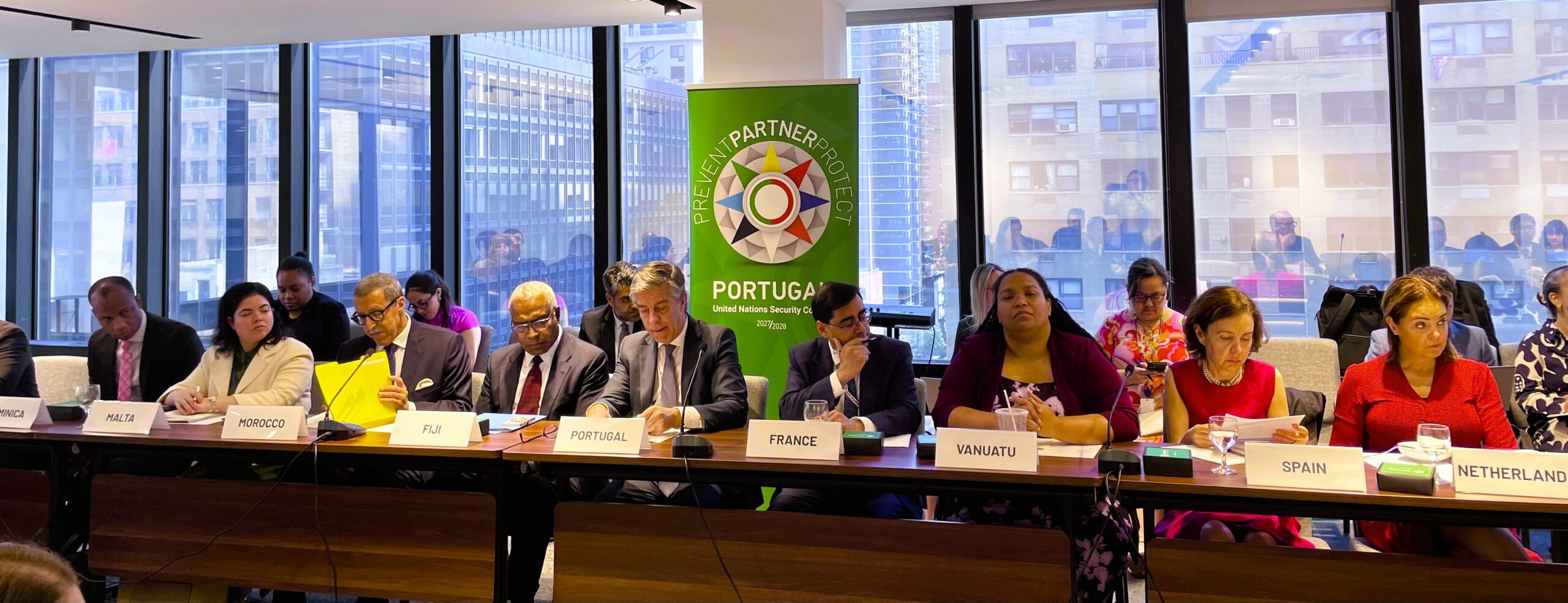
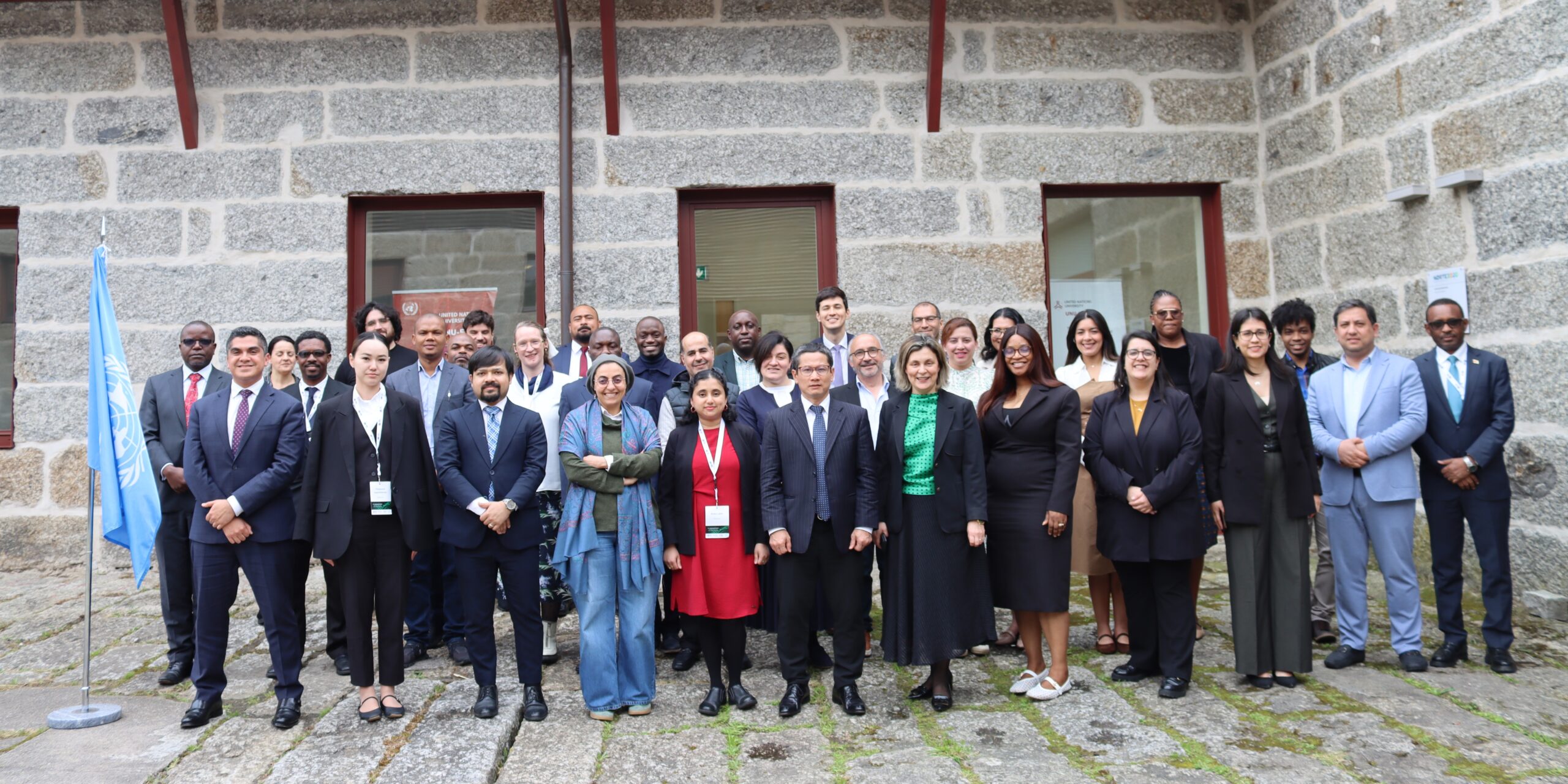
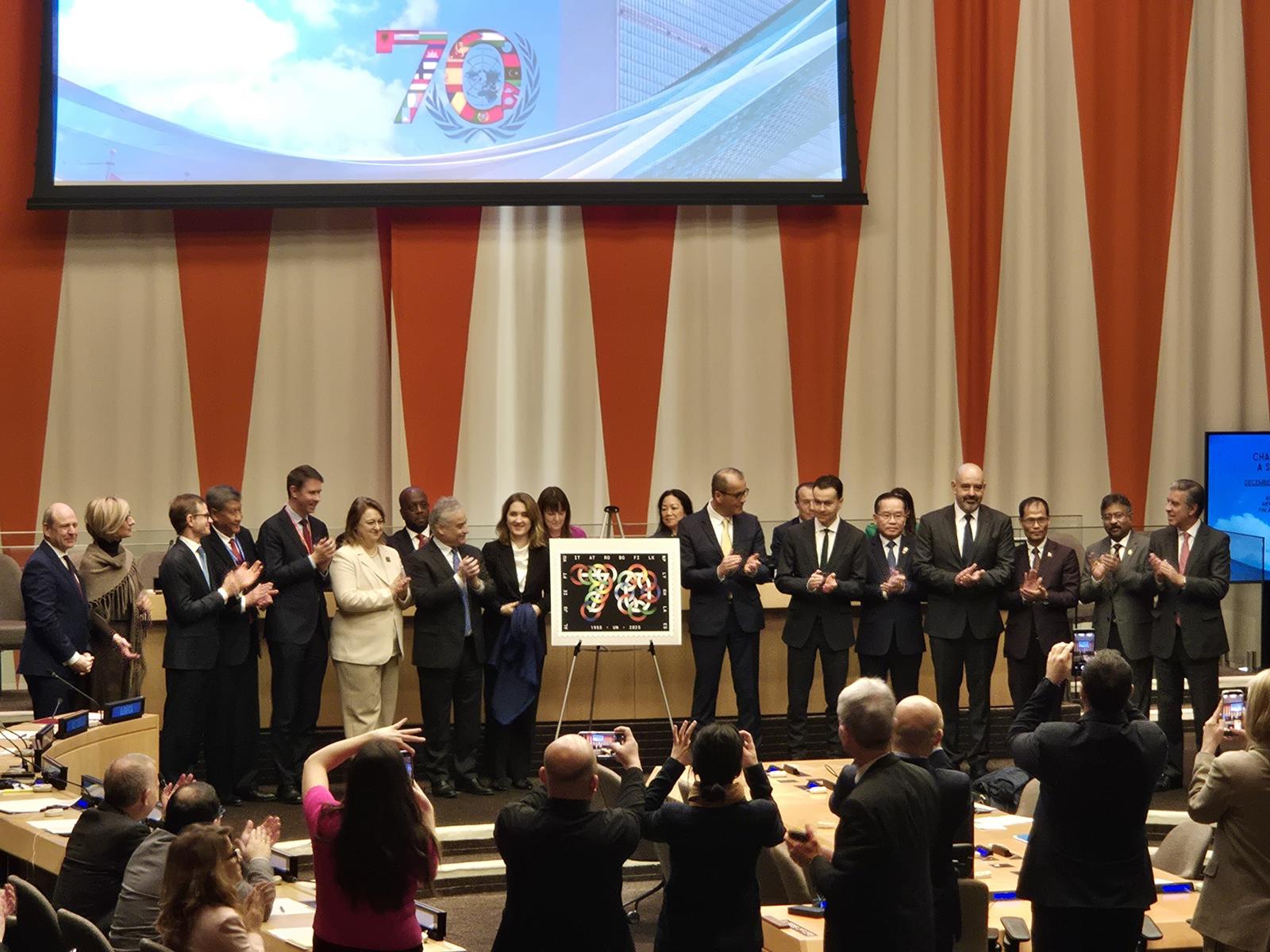
The session was opened by journalist Michelle Nichols (Reuters), followed by the unveiling of a commemorative UN stamp designed by Portuguese artist João Varela and a family photo of the 16 Permanent Representatives. Speaking on behalf of the commemorating countries, the Permanent Representative of Albania underlined the historical significance of the joint admission of new members in 1955, highlighting how that moment contributed to expanding the representativeness and legitimacy of the United Nations at a time of profound global transformation. Speaking on behalf of Secretary-General António Guterres, Under-Secretary-General Khaled Khiari (DPPA/DPPO) stressed that the United Nations Charter remains the indispensable foundation of the international order, warning against the risks of its selective application and reaffirming the central role of diplomacy, dialogue and multilateral cooperation in a period of heightened strategic volatility.
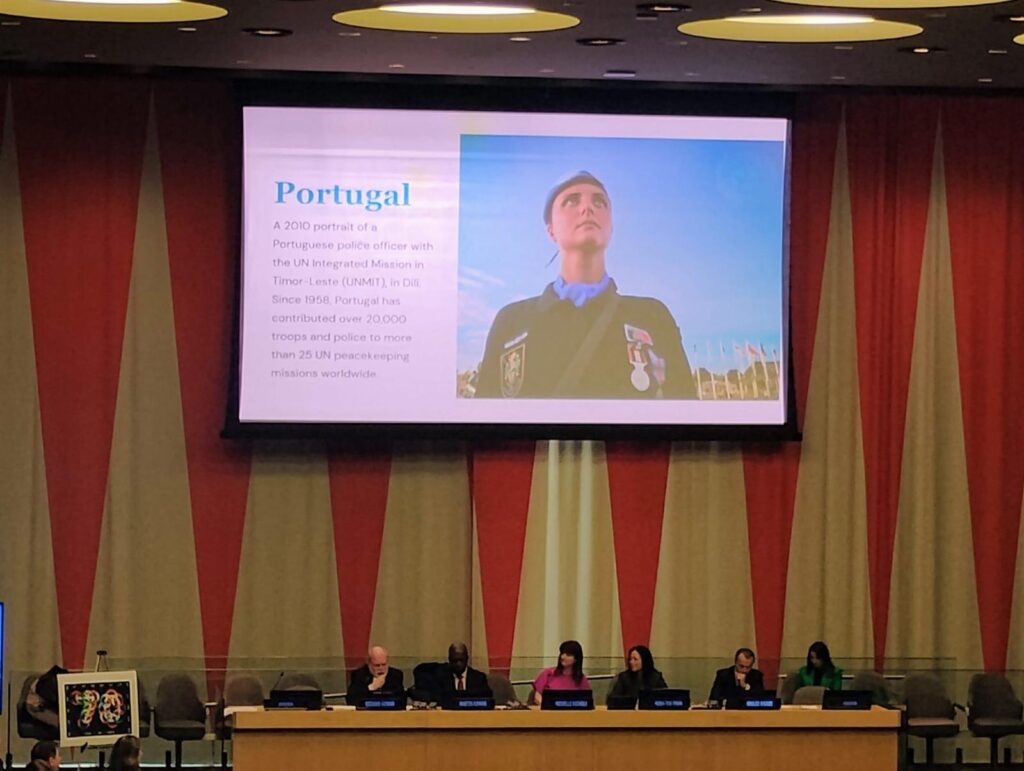
The expert panel brought together Ambassador Martin Kimani, President and CEO of The Africa Center; Minh-Thu Pham, Founder of Project Starling and Nonresident Scholar at the Carnegie Endowment for International Peace; and Richard Gowan, Director at the International Crisis Group. In their interventions, the speakers converged on the view that the most significant advances in the history of the United Nations have resulted from a combination of political alignment, institutional leadership and normative anchoring in the Charter. They underlined that initiatives such as peacekeeping, decolonization and humanitarian coordination emerged not only from principles, but from concrete political compromises among States. Against this background, the panelists argued that the UN80 process and the implementation of the Pact for the Future must be grounded in a clearer definition of priorities, a stronger focus on prevention, and more determined political leadership by Member States.
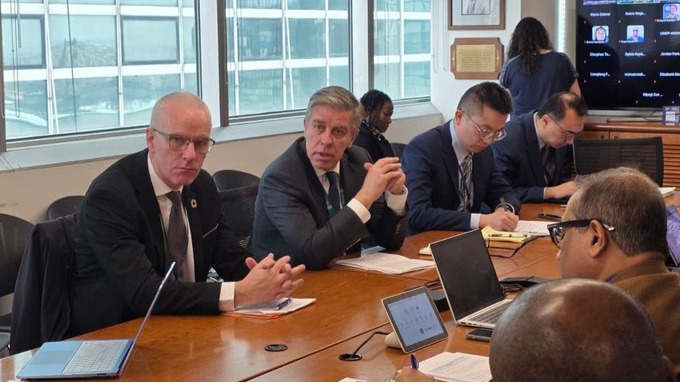
During the interactive debate that followed, several Permanent Representatives shared national perspectives on the enduring value of the United Nations as a universal forum, as well as on the risks posed by the erosion of trust in multilateralism. Issues raised included the gap between ambition and resources, the need to strengthen conflict prevention, institutional reform, the role of the Secretariat, and the emergence of new challenges, notably artificial intelligence and digital transformation. The importance of ensuring that reform processes are politically supported, inclusive and credible for all Member States was also emphasized.
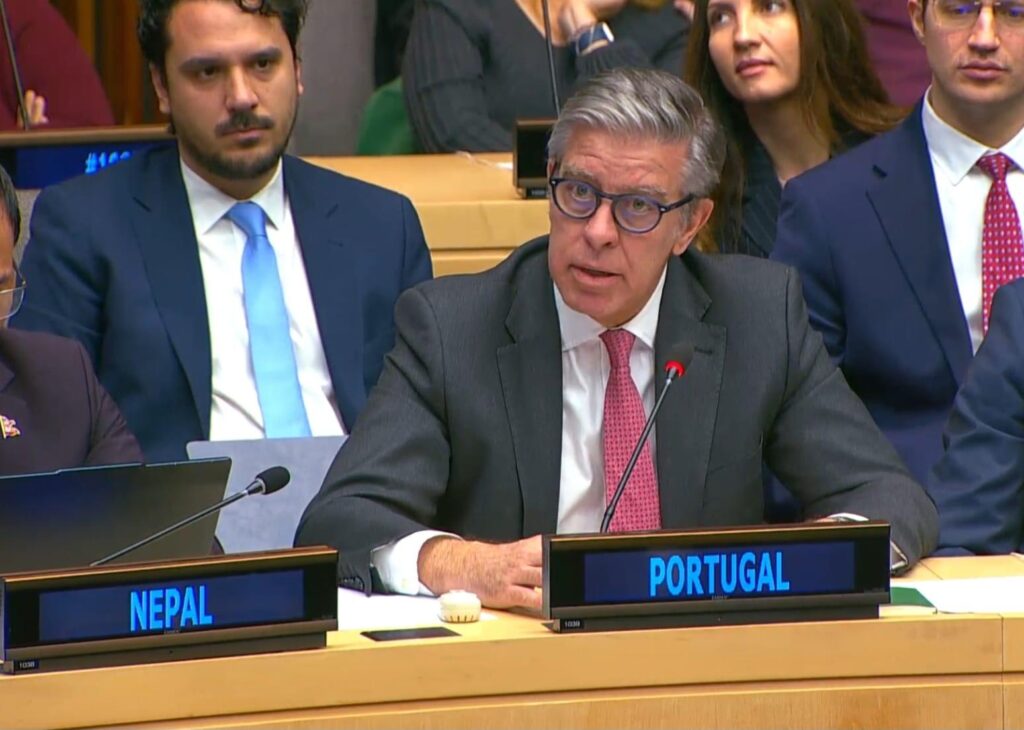
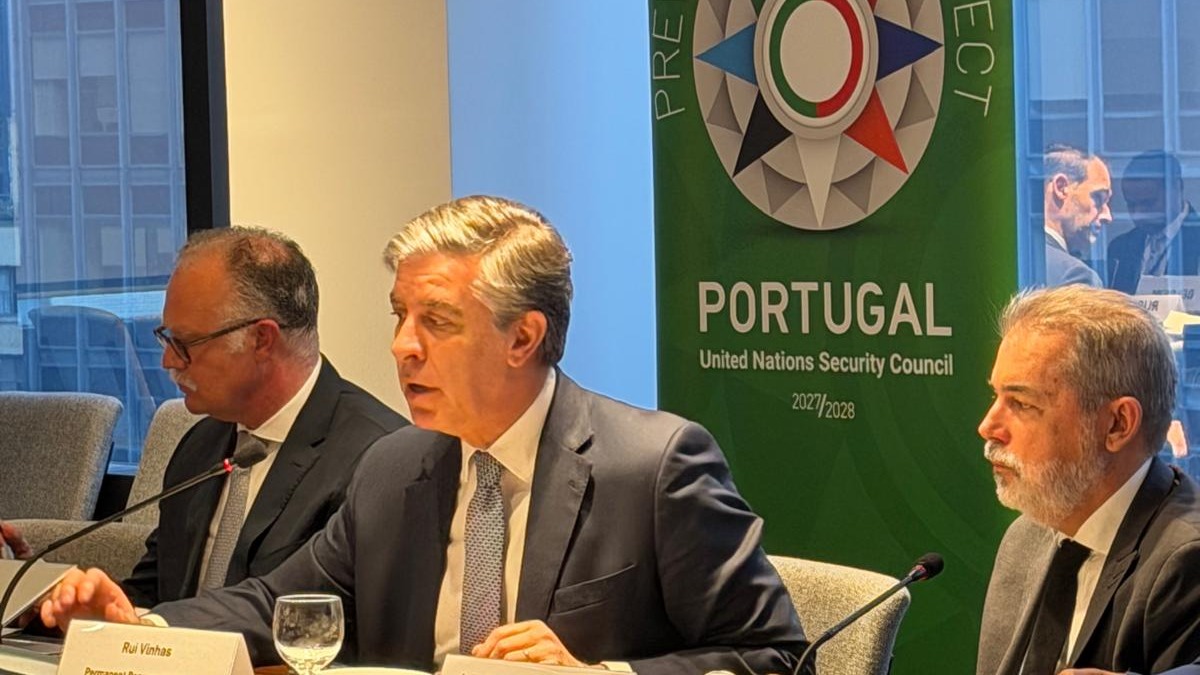
In Portugal’s intervention, Ambassador Rui Vinhas stressed that the country’s 70 years of membership in the United Nations have been profoundly transformative, closely mirroring the evolution of multilateralism itself: from decolonization to development, from peace and security to ocean governance, human rights, and the emerging challenges of climate change and digital transformation. He reiterated Portugal’s consistent conviction in the United Nations Charter, not selectively but systematically, as well as its commitment to effective multilateral action, centred on prevention, rebuilding trust among Member States and implementing the Pact for the Future.
The event concluded with final reflections by the panelists, who called for a pragmatic and politically grounded approach to United Nations reform, underlining that the only viable alternative to the weakening of multilateralism is a United Nations that is more effective, more representative and better equipped to respond to the expectations of the peoples it serves. The commemoration of 70 years of UN membership thus served not only as an exercise in historical remembrance, but above all as a moment of political reaffirmation of the value of multilateral cooperation in a rapidly changing world.