Portugal calls for progress on Security Council reform and greater representation for Africa
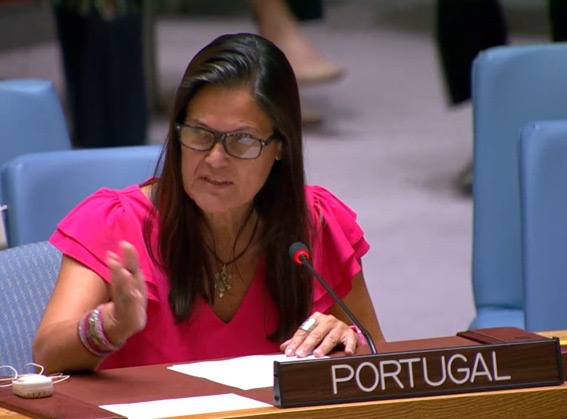
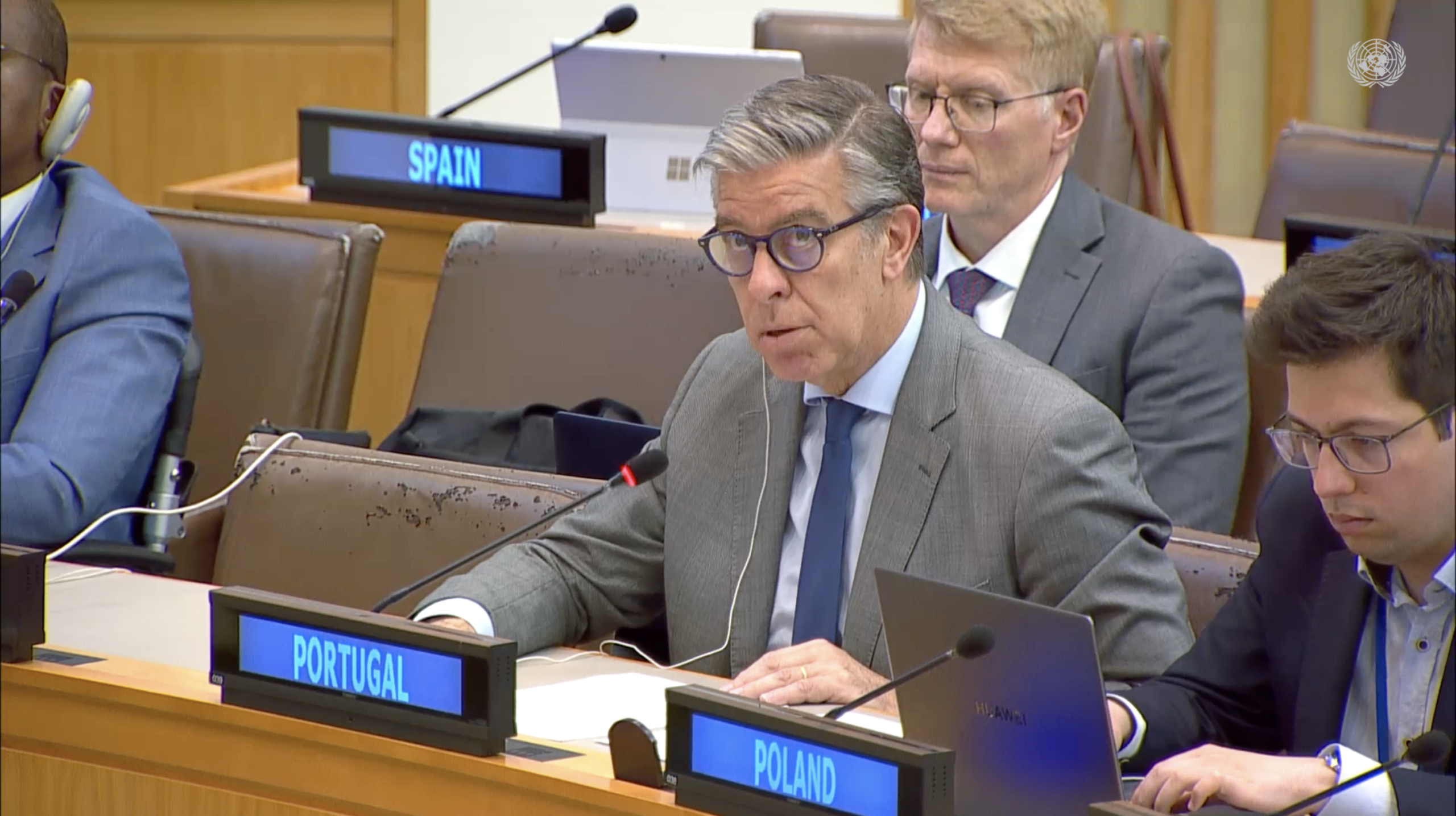
At the Intergovernmental Negotiations (IGN) on Security Council reform held on 19 May 2026, Portugal reaffirmed its longstanding commitment to a comprehensive reform of the Security Council, stressing that the current structure of the organ no longer reflects today’s geopolitical realities. Ambassador Rui Vinhas underlined that preserving the credibility and effectiveness of the UN requires a Council that is more representative, inclusive, transparent and accountable, in line with the commitment contained in the Pact for the Future.
Portugal reiterated that reform must include expansion in both permanent and non-permanent categories of membership. Emphasis was placed on addressing the historical underrepresentation of Africa, in full support of the Common African Position. Portugal stressed that any credible reform process must consider the demands and aspirations of regions that remain insufficiently represented within the current structure of the Council.
Portugal also underlined that Council reform cannot be reduced solely to questions of categories and numbers, emphasizing the central role of working methods in strengthening the legitimacy and effectiveness of the Council. In this regard, Portugal defended greater transparency and inclusiveness in the Council’s daily work, including through open briefings, wrap-up sessions, timely assessments and stronger interaction with affected countries, troop- and police-contributing countries, regional organizations and civil society.
The statement further highlighted the importance of ensuring a meaningful role for elected members of the Security Council. Portugal argued that a fairer distribution of penholderships and subsidiary body chairs would contribute to a more balanced and representative Council, strengthening collective ownership over the Council’s work and decision-making processes.
Portugal additionally emphasized the need to strengthen the relationship between the Council and the General Assembly, including regarding accountability in the use of the veto, through the Veto Initiative. Portugal also reiterated its support to the restraint in the use of the veto, including via the ACT Code of Conduct and the Franco-Mexican initiative, particularly in situations involving mass atrocities.
Finally, Portugal stressed that, after many years of discussions, Member States increasingly expect tangible progress on Council reform. While important differences remain among delegations, Portugal stressed that growing areas of convergence should now translate into concrete progress towards a more legitimate, representative and effective Security Council.