
Football Diplomacy at the United Nations: Portugal Highlights the Power of Sports for Peace and Inclusion
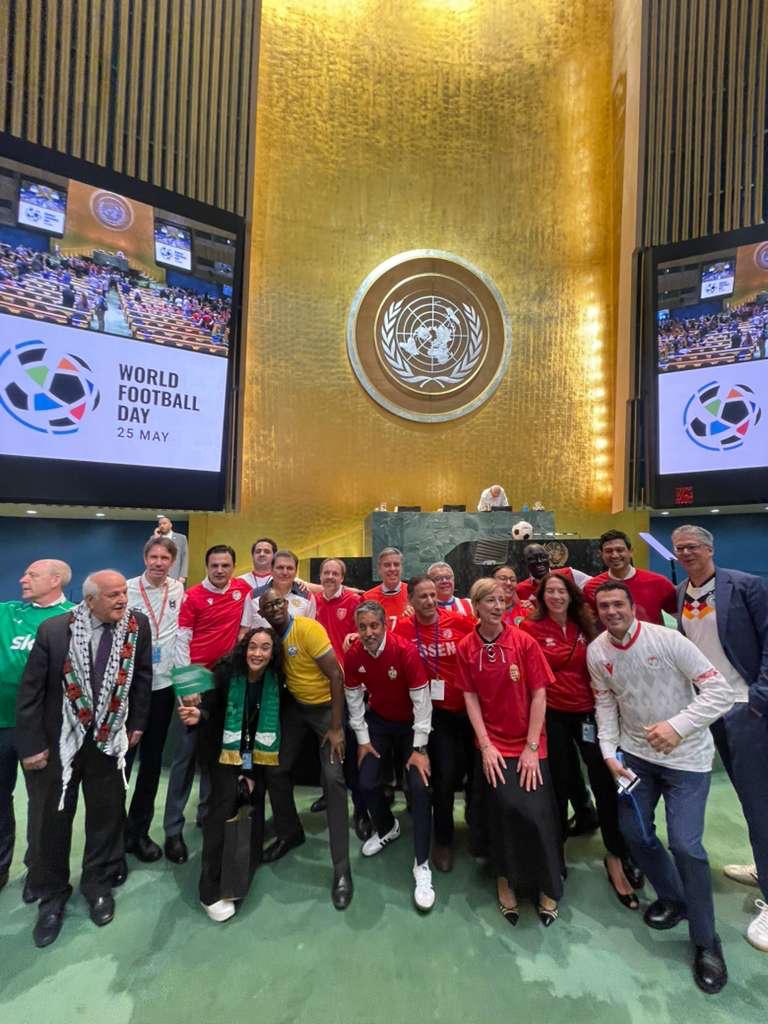
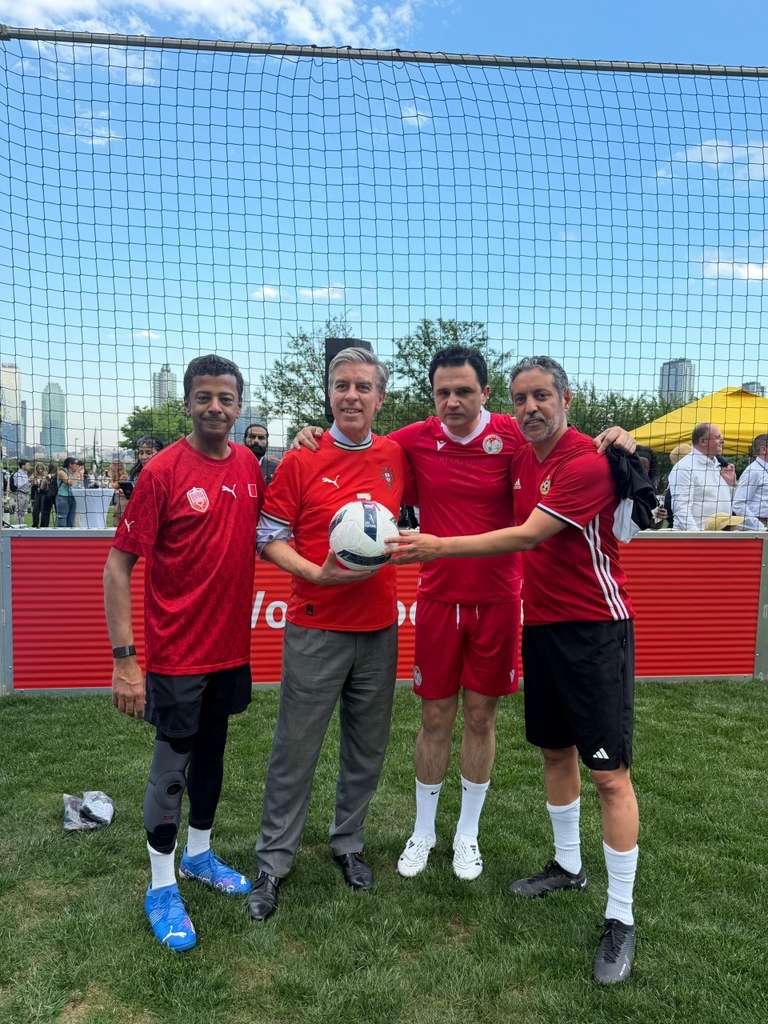
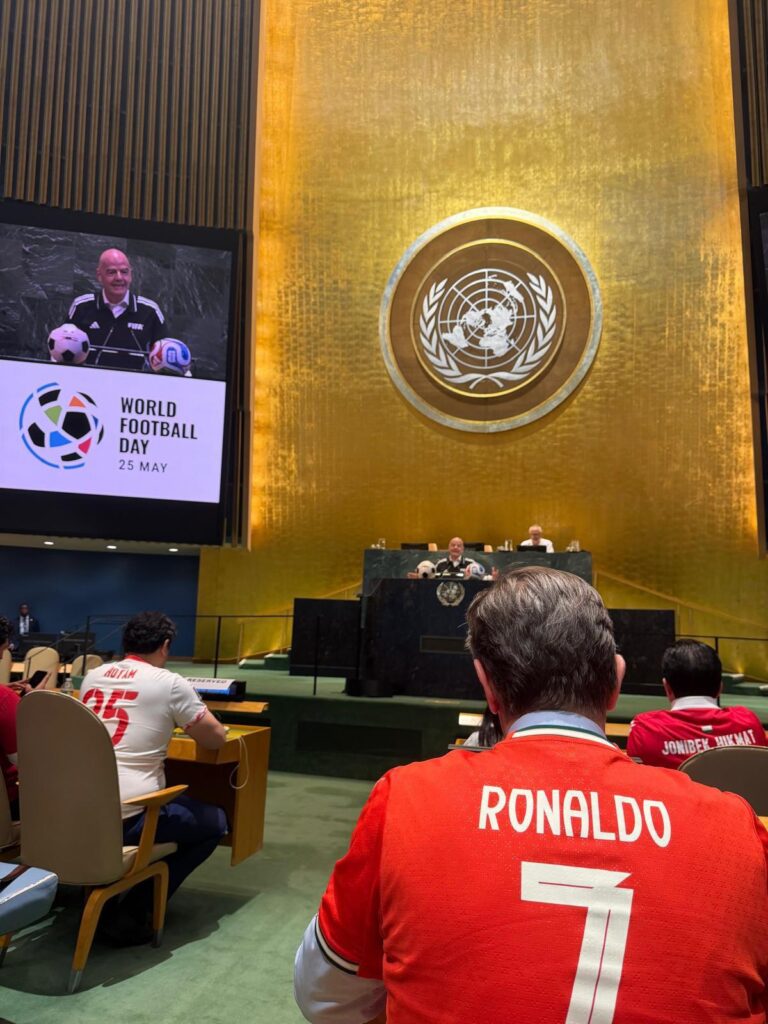
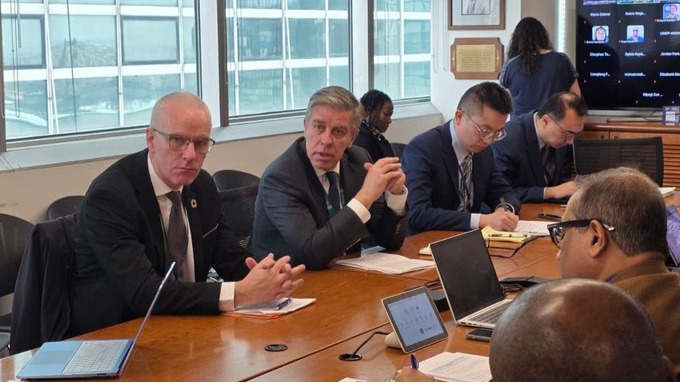
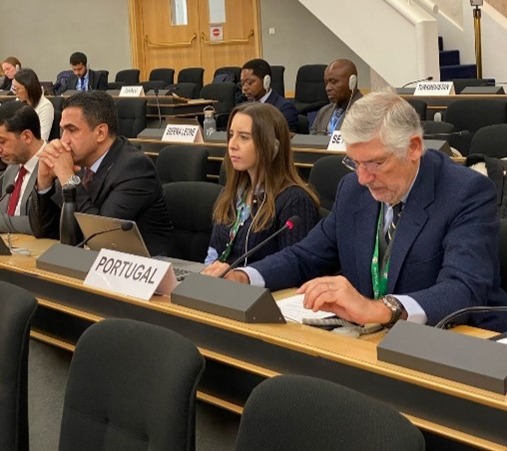
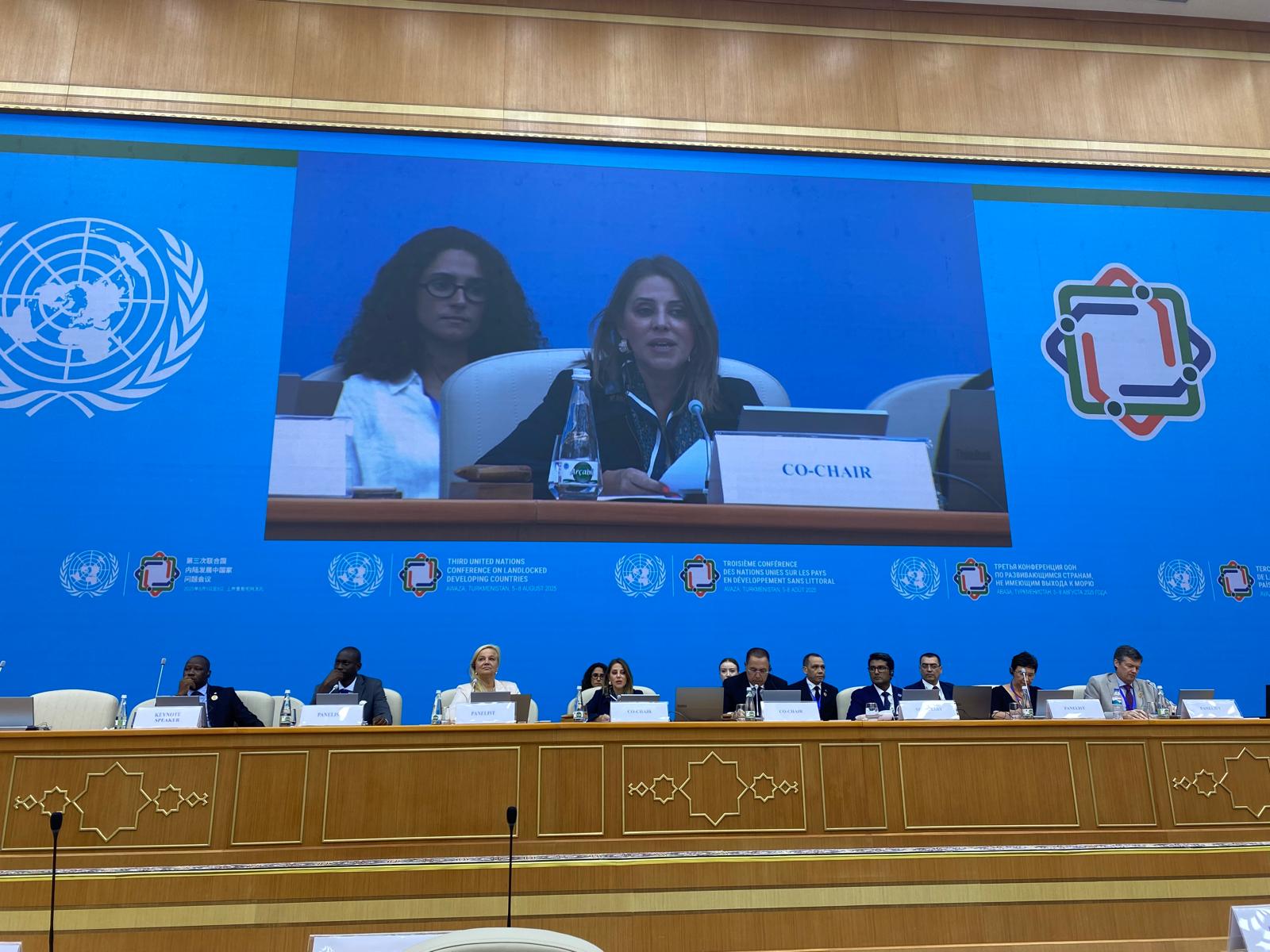
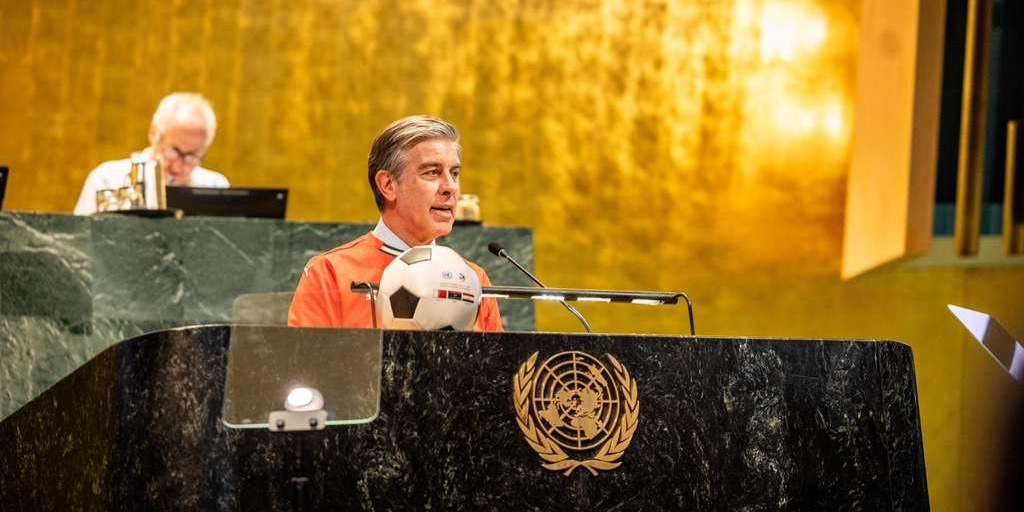
The UN marked World Football Day with a special event bringing together Member States, UN officials, sports representatives and international partners to celebrate football as a global force for peace, dialogue and sustainable development. Portugal joined Bahrain, Libya and Tajikistan, the co-chairs of the Group of Friends of Football, together with Austria, Germany, Hungary, Italy and Rwanda, in reaffirming the unique capacity of football to connect people across cultures and generations, while promoting inclusion, equality and international cooperation.
Ambassador Rui Vinhas underlined that football is far more than a sport: it is a universal language capable of creating bridges where politics and diplomacy alone sometimes cannot. Recalling Portugal’s deep football tradition and global sporting connections, he highlighted how the game inspires millions around the world and can serve as a powerful platform to advance the values and principles of the United Nations.
Portugal also showcased concrete examples of how football contributes to development and social cohesion through the work of the Portuguese Football Federation (FPF), Liga Portugal and foundations linked to the sport. These initiatives range from youth inclusion programmes and anti-discrimination campaigns to projects promoting gender equality, education and community integration, both in Portugal and internationally. The statement also stressed the growing role of football diplomacy in supporting dialogue and multilateral cooperation.
The event featured participation from a wide range of partners, including the President of FIFA, but also Portuguese football stars, Luís Figo and Nuno Gomes, and the wider football community, reflecting the increasing collaboration between the UN system and international sports institutions. Discussions focused on the contribution of sport to the Sustainable Development Goals, particularly in areas such as health, education, social inclusion and peacebuilding. Participants also looked ahead to upcoming global sporting events, including the FIFA World Cup 2026 and the 2030 World Cup, which Portugal will proudly co-host with Morocco and Spain.
As the international community celebrates 80 years of the UN, the event served as a reminder that football continues to unite people in ways few other global phenomena can. In a world marked by division and geopolitical tensions, the spirit of the game offered a positive and accessible message: that cooperation, respect and teamwork remain essential foundations for a more peaceful and inclusive international order.