Portugal Highlights Disaster Risk Reduction as a Key Pillar for a Sustainable Future
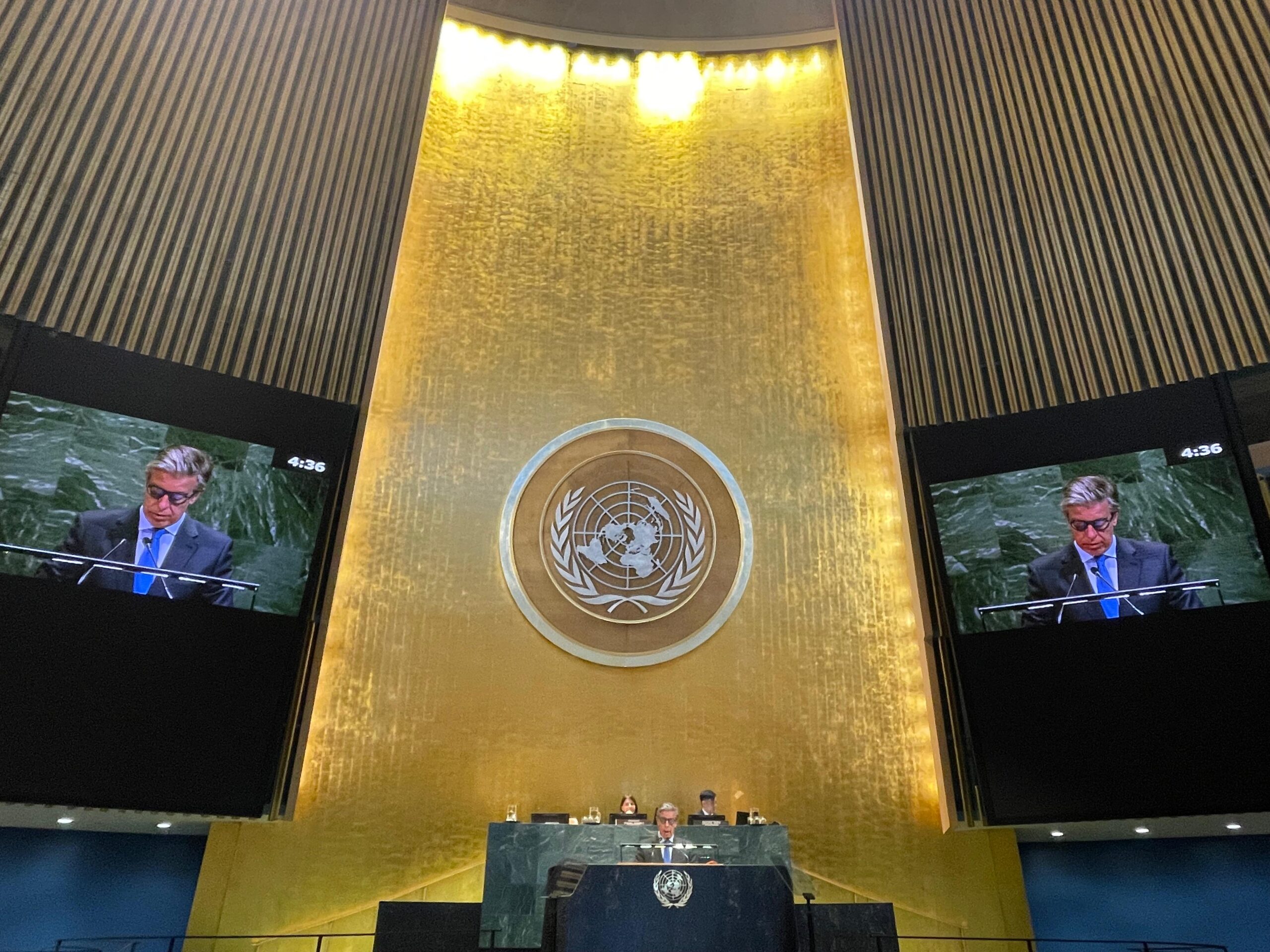
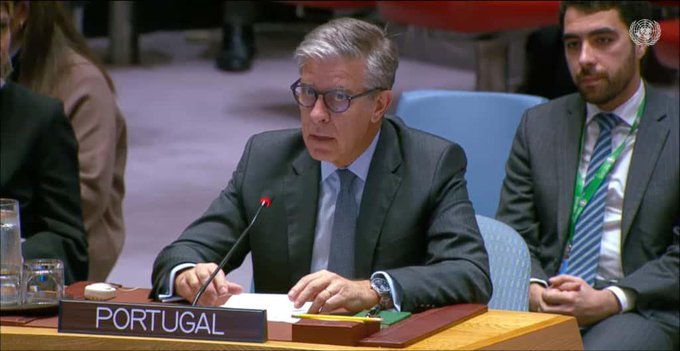
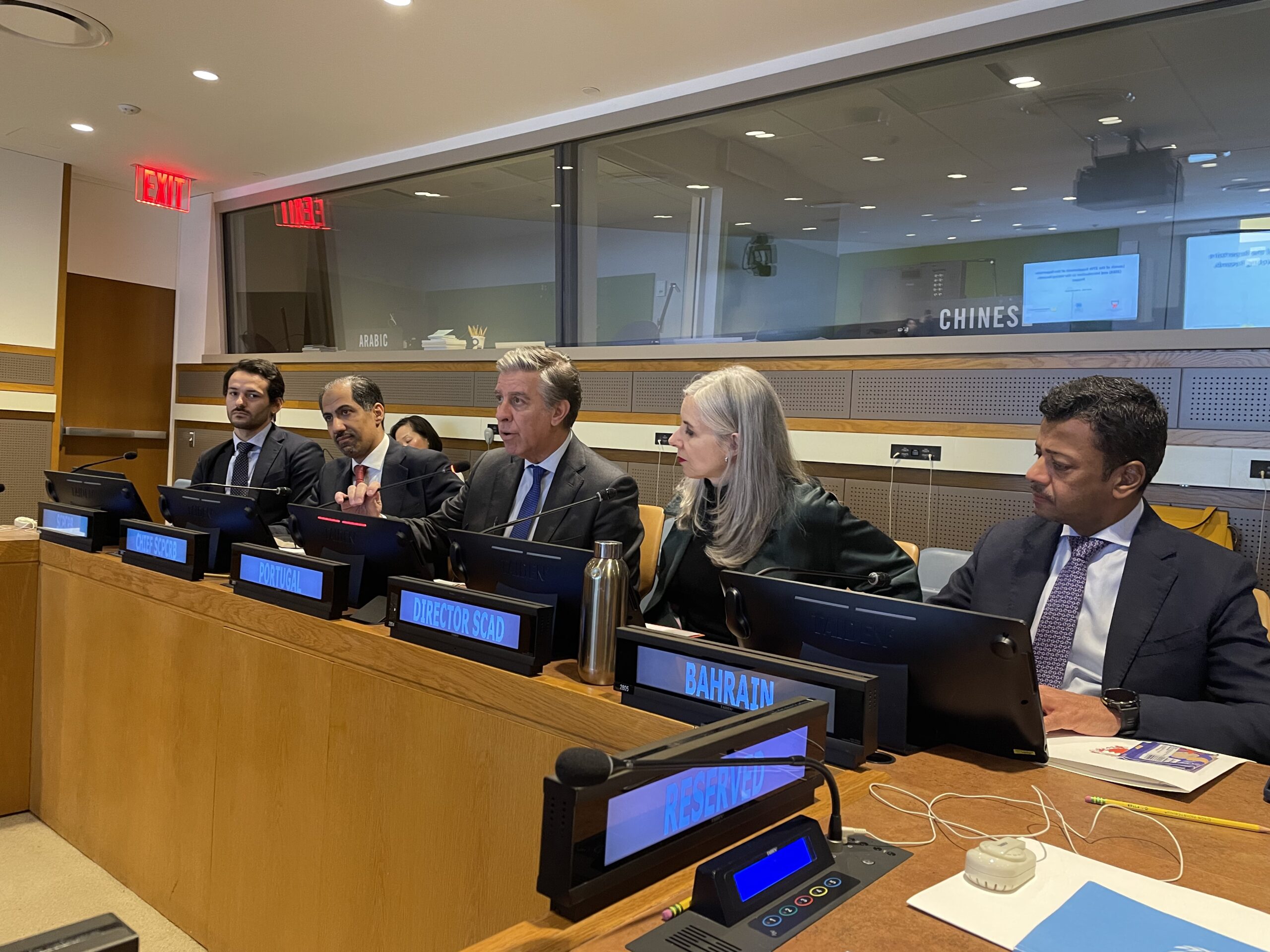
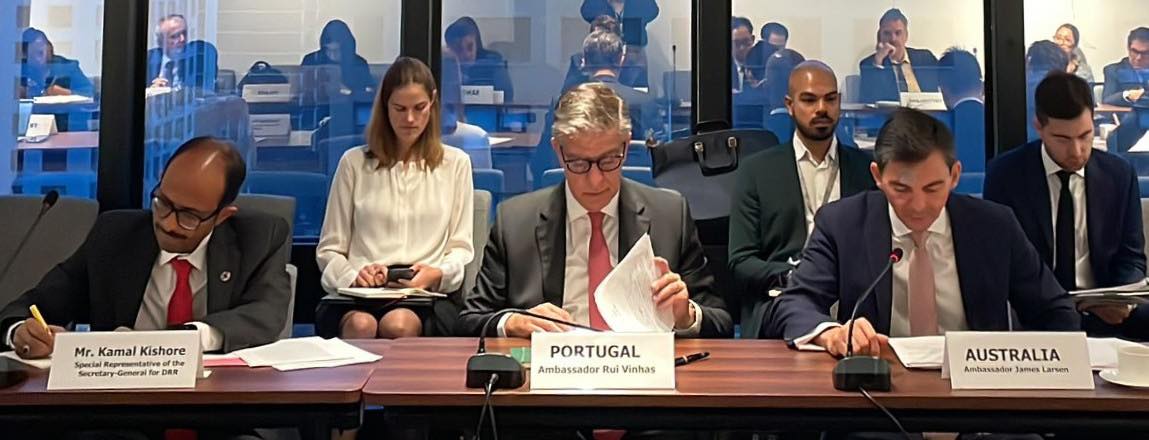
The Portuguese Permanent Mission to the UN hosted, on October 30th, a meeting of the Group of Friends for Disaster Risk Reduction. Ambassador Rui Vinhas chaired the session, stressing the urgent and fundamental nature of this agenda at a decisive moment for meeting international commitments.
Ambassador Vinhas welcomed the Group’s co-chairs and a special guest from the UN Office for Disaster Risk Reduction (UNDRR). He noted that the Group’s founding mission in 2012 was to ensure disaster risk reduction (DRR) was a central chapter, not a footnote, in sustainable development. “More than a decade later, that mission is more critical than ever,” he stated.
As an Atlantic nation with a long history of navigating global challenges, Portugal understands this reality intimately. “We have suffered the devastating impact of wildfires and droughts, which underlined a hard truth: no country is immune,” stated Ambassador Vinhas. This experience has forged a national commitment to building resilience. This is why Portugal has been a consistent voice in this domain, arguing that investing in risk reduction is not a cost but a strategic investment in our future.
The meeting proceeded to outline the UNDRR’s Strategic Framework 2026-2030:
- Risk Knowledge: Transitioning from data to decisions through an open, AI-enabled information ecosystem is essential for anticipatory governance.
- Locally Led Disaster Risk Reduction: Resilience is built community by community. Empowering local authorities with the means to manage their specific risks is crucial.
- Financing for DRR: It is imperative to break the “react and rebuild” cycle. Integrating risk reduction into all public and private investments is the only path to a secure future.
- Preparedness for Recovery: Planning before a disaster is needed to ensure better, more resilient reconstruction, not just replacement.