Perspectives from The Elders on the Role of the General Assembly in Peace and Security
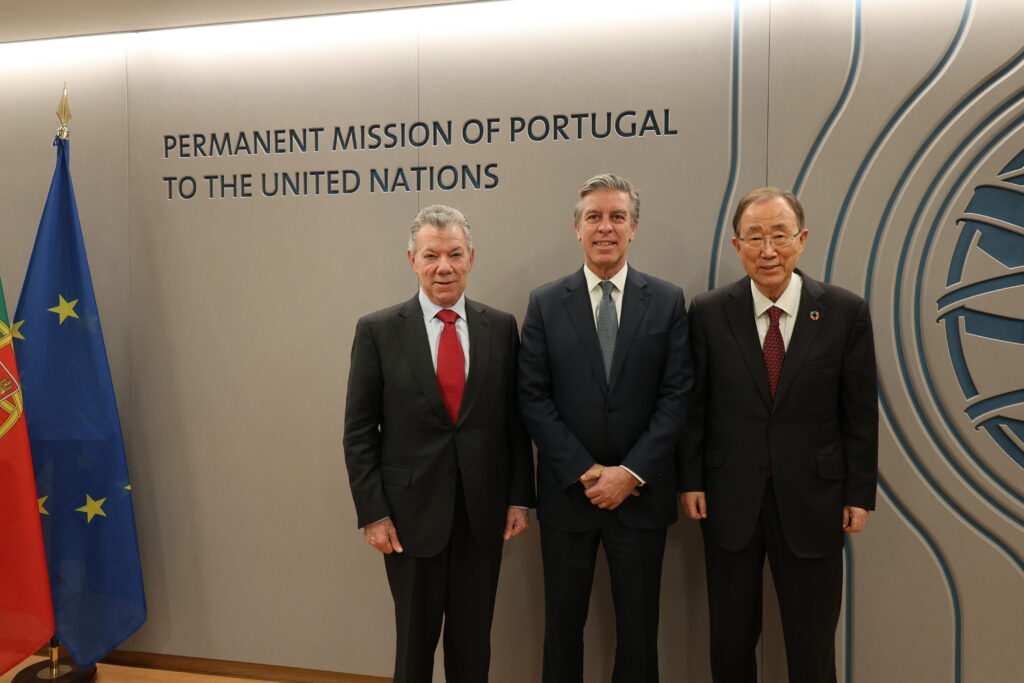
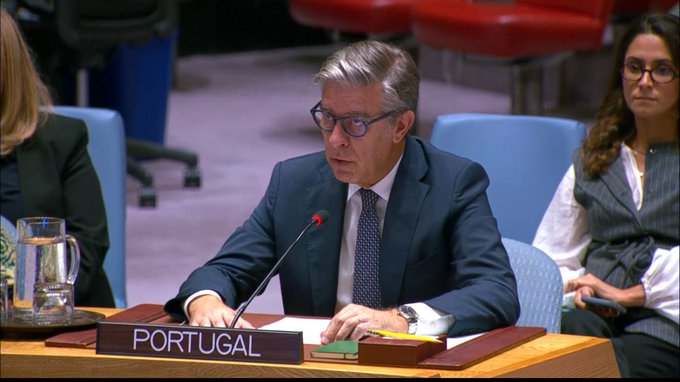
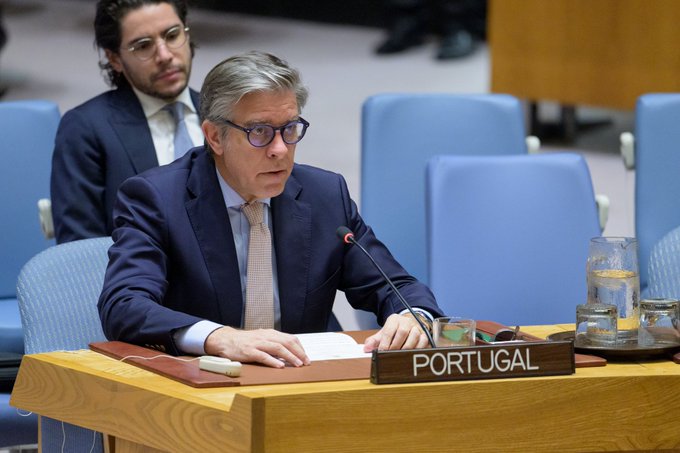
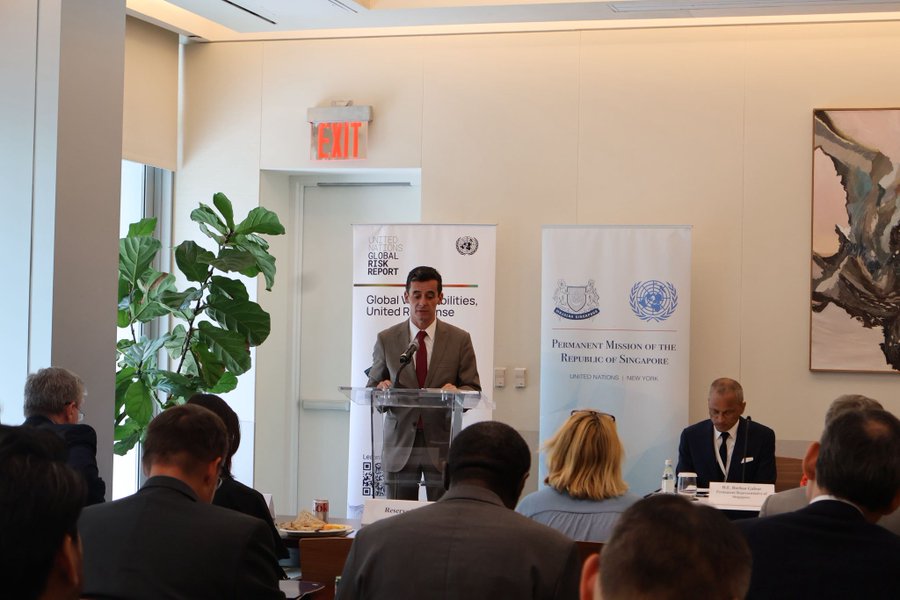
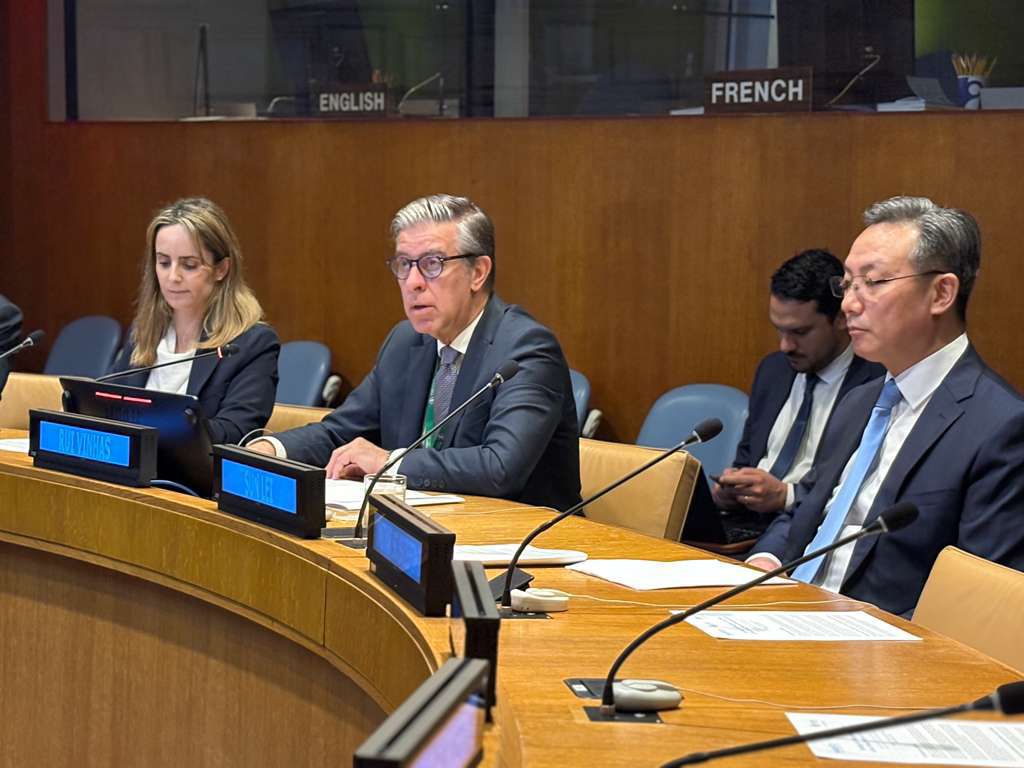
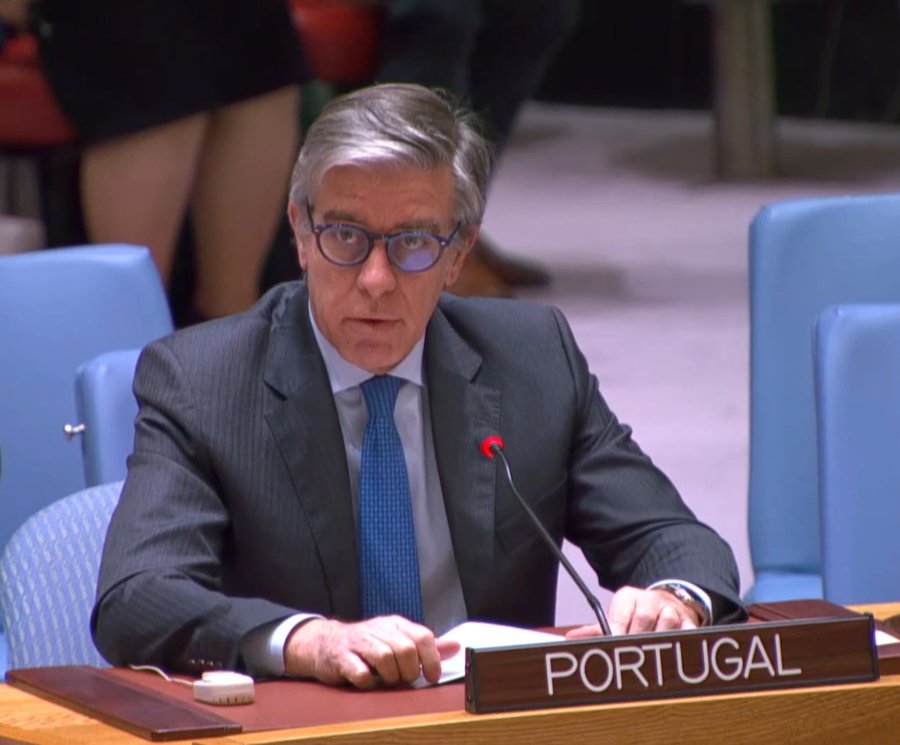
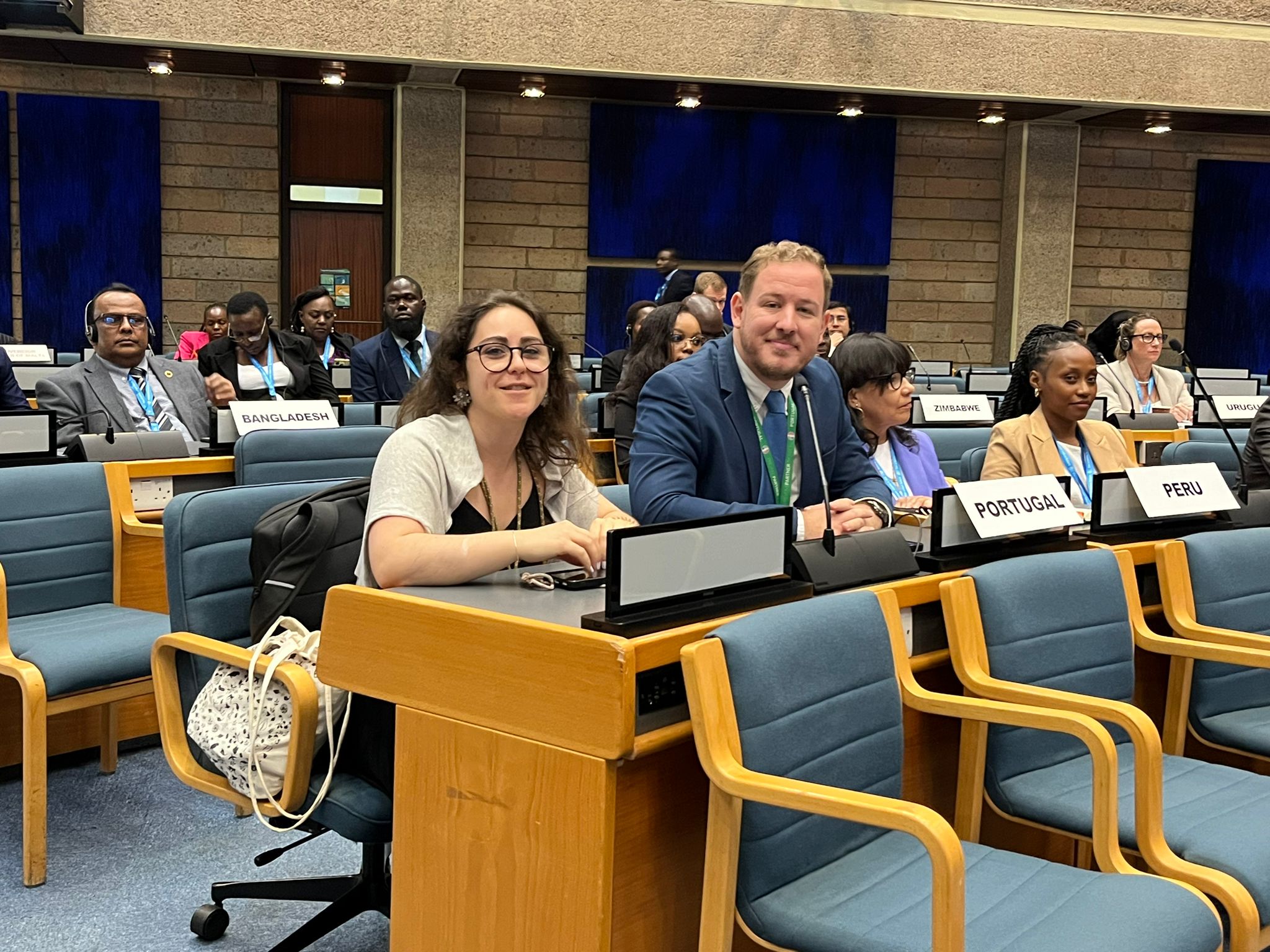
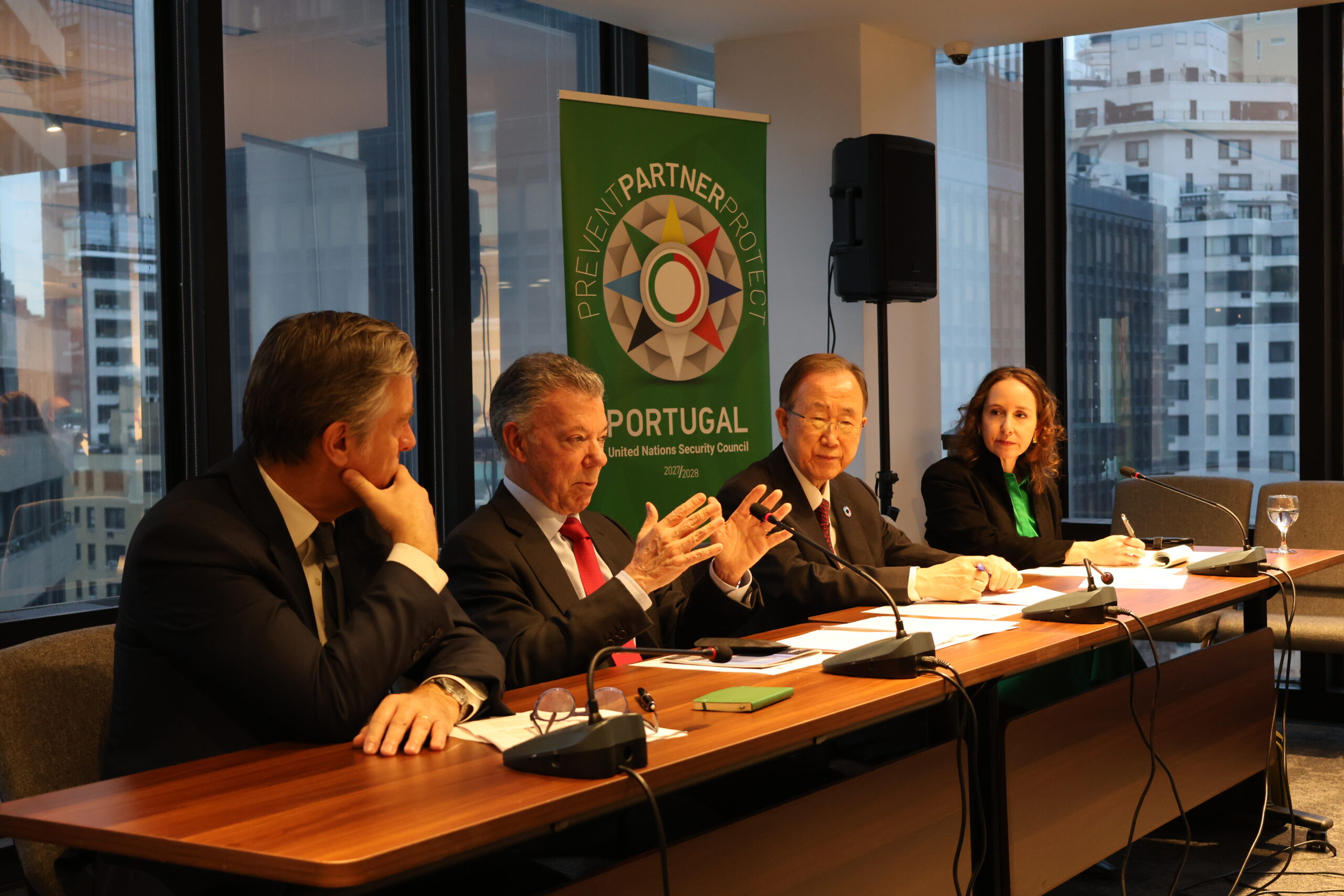
On 15 December, the Permanent Mission of Portugal to the United Nations hosted a private high-level discussion with The Elders on “Perspectives on General Assembly Action on Peace and Security,” in partnership with the United Nations University Centre for Policy Research (UNU-CPR).
The event formed part of a broader workshop series following the publication of Assembly for Peace, the Digital Handbook on the UN General Assembly’s past practice on peace and security, developed by UNU-CPR and published by the Office of the President of the General Assembly in 2024. The discussion, under “Chatham House rules”, took place on a particularly timely day, as the Security Council convened an open debate on Leadership for Peace, allowing participants to reflect on complementary forms of leadership within the UN system.
The conversation featured two distinguished members of The Elders: former President of Colombia and Nobel Peace Laureate Juan Manuel Santos, and former UN Secretary-General Ban Ki-moon. Drawing on their extensive experience in conflict resolution, peace processes, and global diplomacy, both speakers reflected on how the General Assembly can contribute, responsibly and constructively, to the maintenance of international peace and security.
The discussion, moderated by Erica Gaston (UNU-CPR), reaffirmed the relevance of the Digital Handbook as a practical tool for Member States and highlighted the continuing importance of institutional memory, legal authority, and political leadership within the UN system.
The event underscored a shared conviction: while the General Assembly is not a substitute for the Security Council, it remains a central pillar of multilateral action – capable, when used effectively, of contributing meaningfully to peace and security in line with the UN Charter.