Portugal at the UN Security Council: Rethinking Leadership for Peace
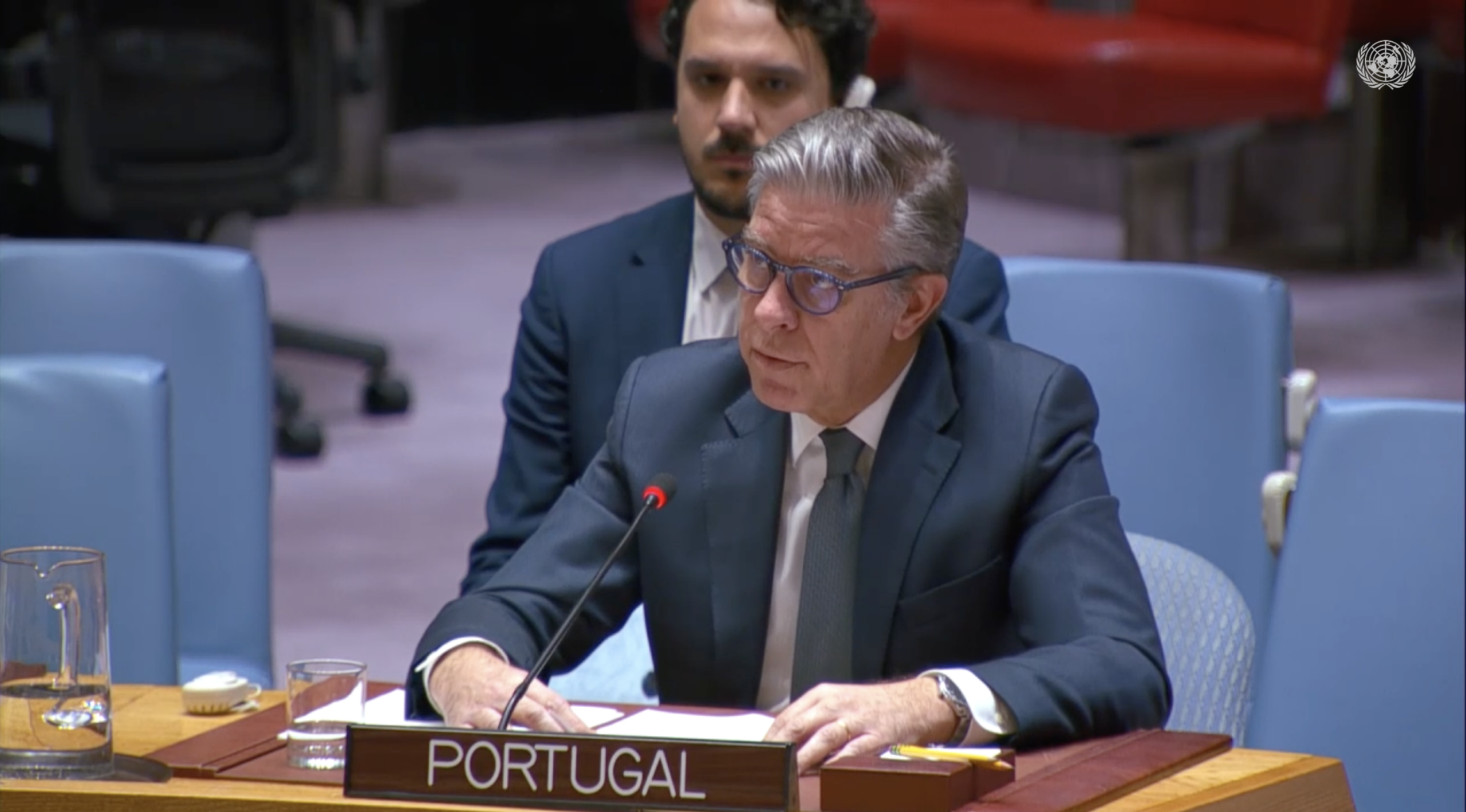
On 15 December 2025, the United Nations Security Council held an open debate on “Leadership for Peace”, convened by Slovenia as its presidency’s signature-event. Against the backdrop of persistent armed conflicts, geopolitical polarization, and growing pressure on the multilateral system, the debate offered an opportunity for Member States to reflect on the type of leadership required for the United Nations to remain effective in maintaining international peace and security.
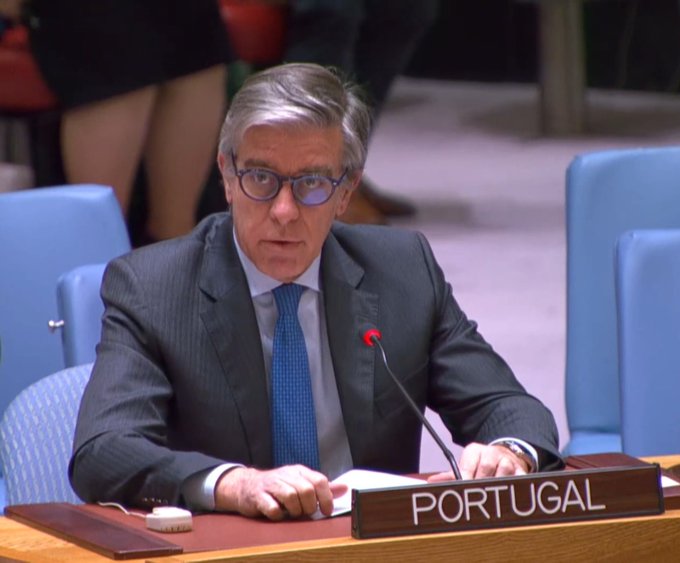
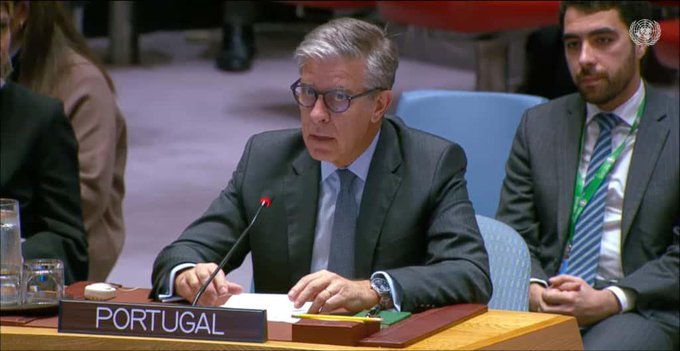
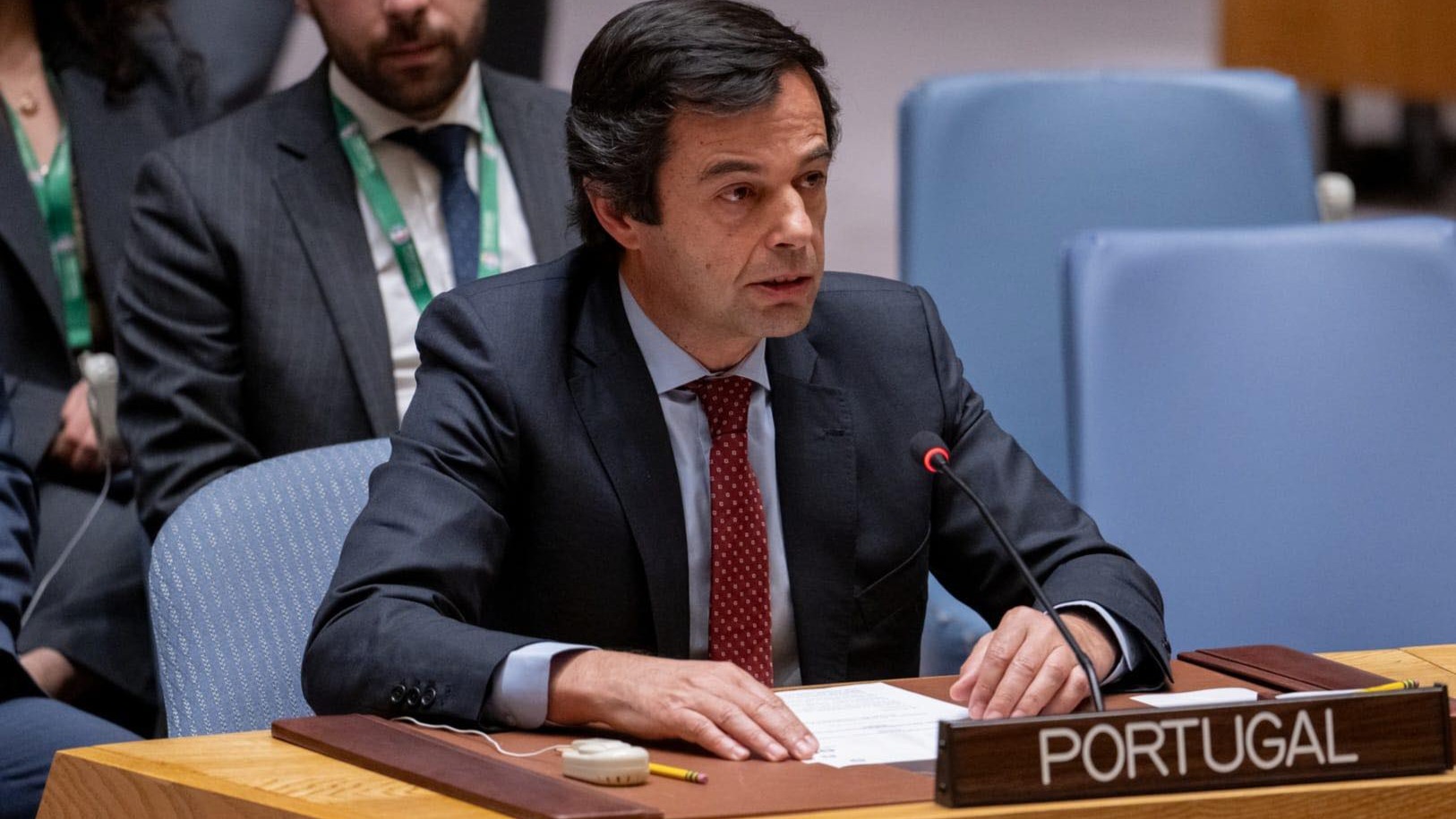
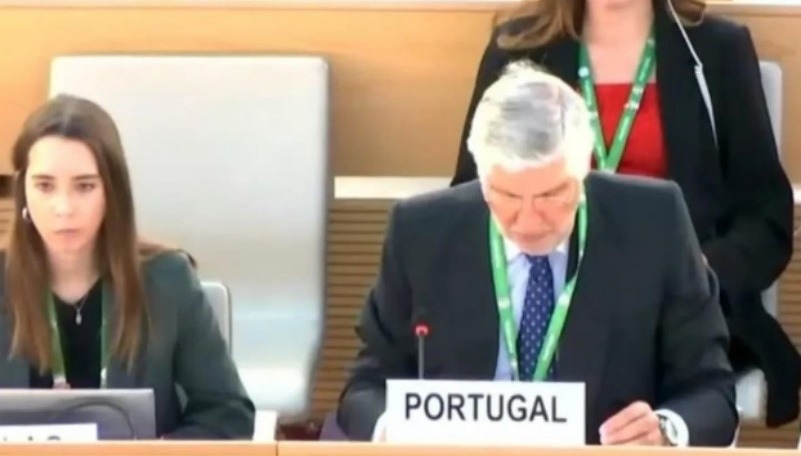
Besides its alignment with the statements delivered by the European Union and by Switzerland on behalf of the ACT Group, Portugal participated in the debate, setting out a clear national perspective. In his intervention, Portugal’s Permanent Representative, Ambassador Rui Vinhas, framed leadership for peace around three interlinked dimensions: institutional leadership, leadership grounded in the UN Charter and international law, and leadership as a personal responsibility, particularly in light of the upcoming selection of the next UN Secretary-General.
At the institutional level, Portugal emphasized that leadership for peace begins with a strong and functional relationship between the Secretary-General and the Security Council. Trust, regular political dialogue, and a shared commitment to prevention and political solutions were identified as essential conditions for effective cooperation. Portugal underlined the importance of Article 99 of the UN Charter as a core political tool, enabling the Secretary-General to alert the Council to threats to international peace and security. When used with judgment and responsibility, this prerogative can help the Council act earlier and more coherently. Portugal also highlighted that institutional leadership depends on the wider membership, stressing the need for predictable financing, sustained political engagement, and support for mediation efforts.
A second pillar of Portugal’s intervention focused on leadership anchored in the UN Charter and in international law. Portugal recalled that the credibility of the Security Council ultimately rests on its capacity to uphold the purposes and principles of the Charter, including respect for international law and the pursuit of political solutions to conflict. The intervention highlighted prevention, de-escalation, and the creation of space for negotiations as areas where the Council’s added value is most evident. When the Council succeeds in these areas, it reinforces confidence in multilateralism and demonstrates that collective security can still deliver tangible results.
The third dimension addressed leadership as a personal responsibility, with particular attention to the forthcoming selection process for the next Secretary-General. Portugal argued that while institutions matter, leadership is ultimately shaped by individuals. It outlined a set of core qualities it considers essential for the role: independence of judgment, moral authority, the ability to engage with all Member States, and bridge-building skills in an increasingly polarized international environment. Courage to uphold the Charter, sensitivity to the root causes of instability, and an inclusive leadership style that values regional perspectives, women and youth, and evidence-based decision-making were also highlighted as critical attributes.
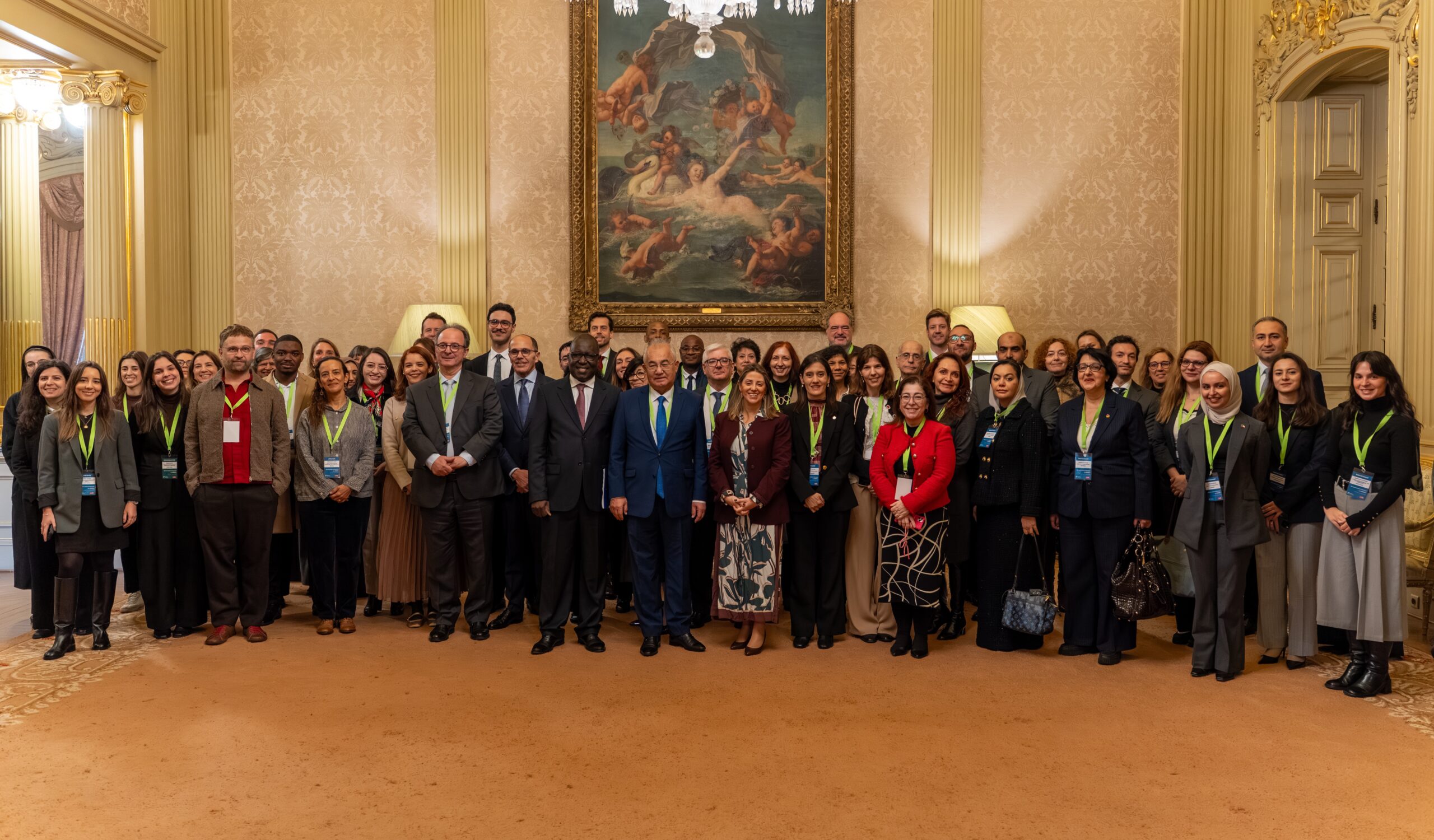
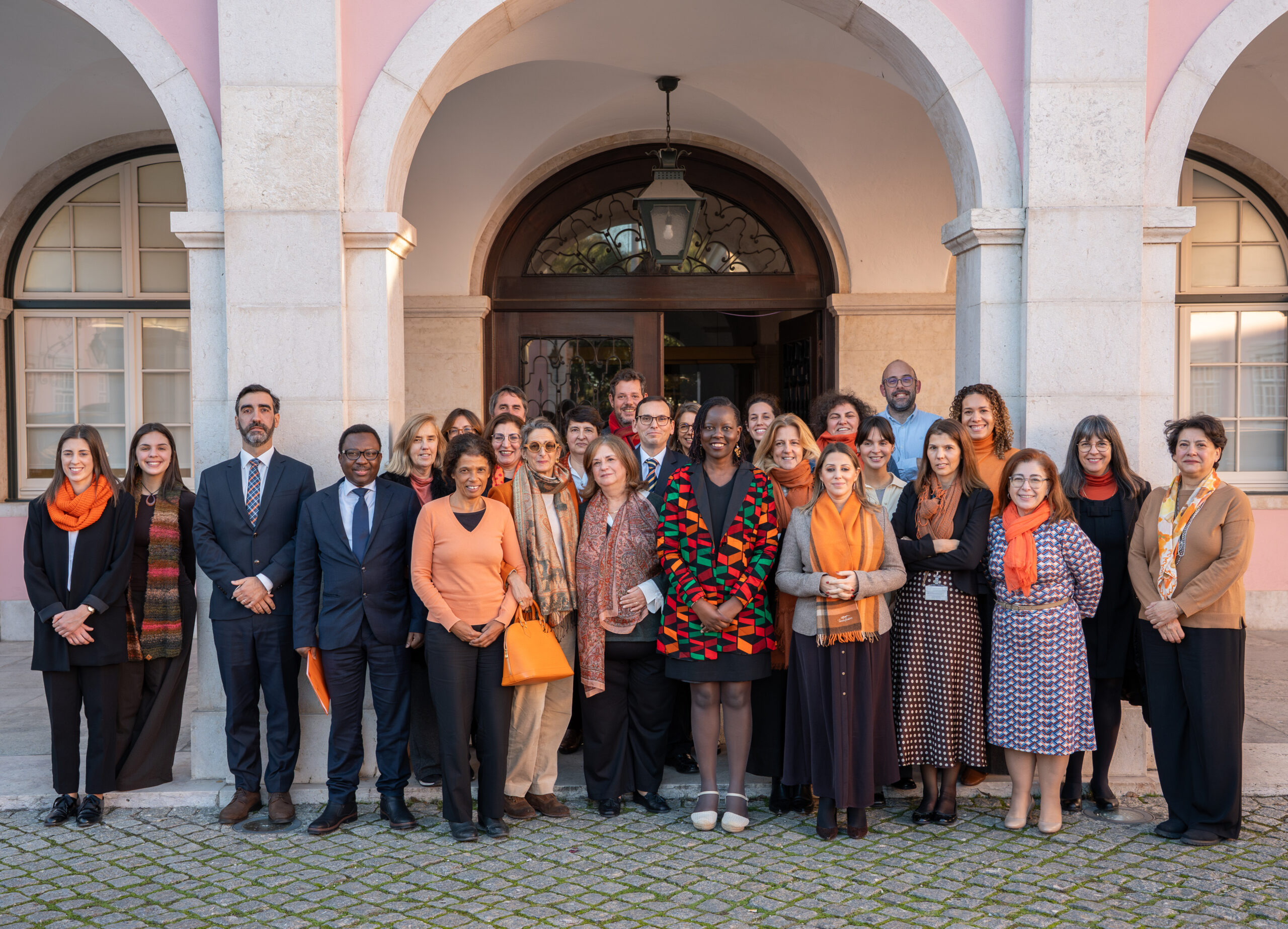
In this context, Ambassador Rui Vinhas underscored the importance of investing in leadership development, recalling that Portugal was hosting that same week, in Lisbon, a leadership training programme for members of the UN Senior Women Talent Pipeline, contributing to a more representative and prepared pool of future UN leaders.
Portugal concluded its intervention by reaffirming that leadership for peace must ultimately be measured by results: greater stability, stronger diplomacy, fewer conflicts, and reduced human suffering. As a candidate for a non-permanent seat on the Security Council for the 2027–2028 term, Portugal reiterated its commitment to strengthening the effectiveness, credibility, and responsibility of the Council, and to supporting a United Nations capable of delivering peace through political solutions.