Poverty, Underdevelopment, and Conflict: Portugal Advocates Preventive Approach at UN Security Council
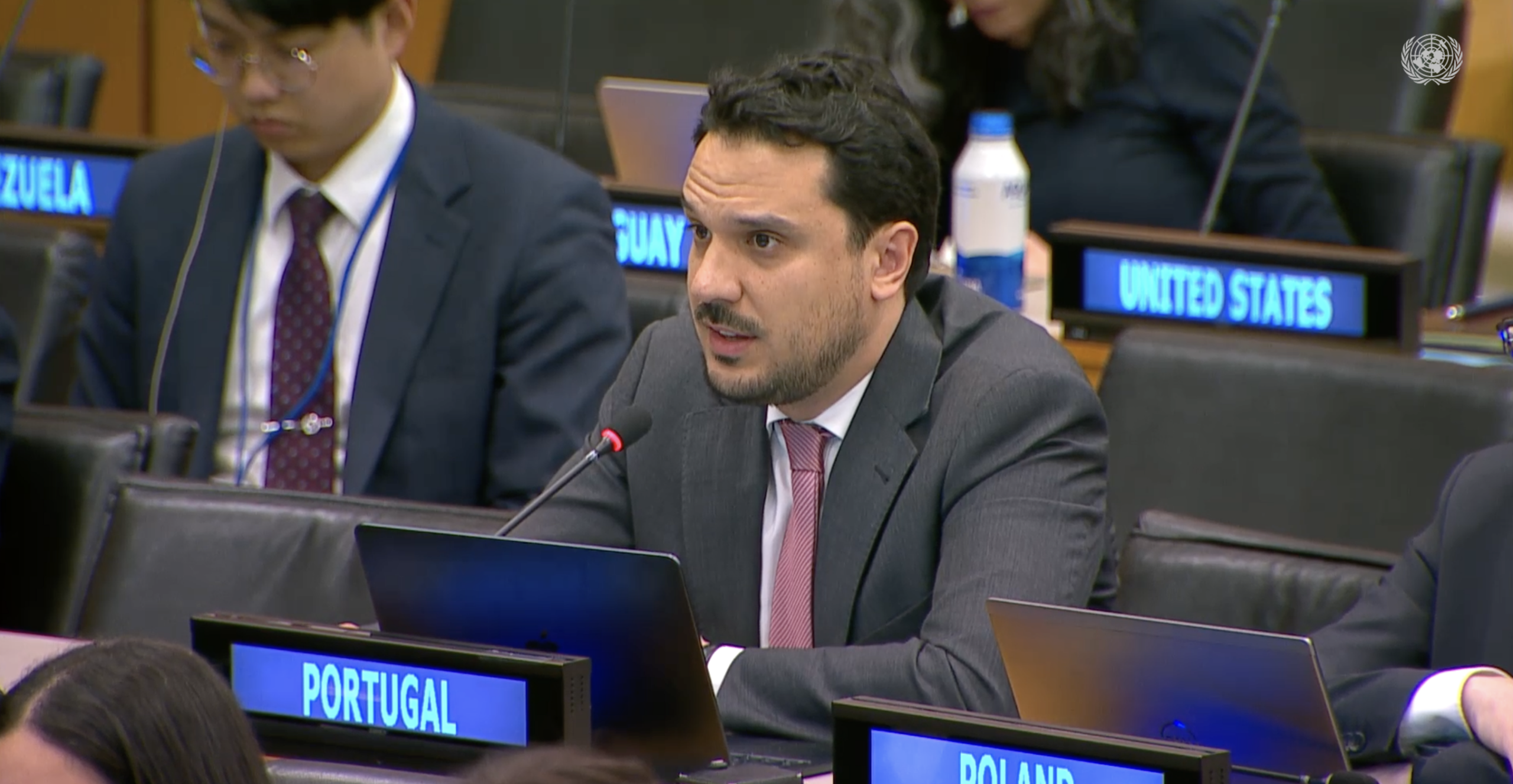
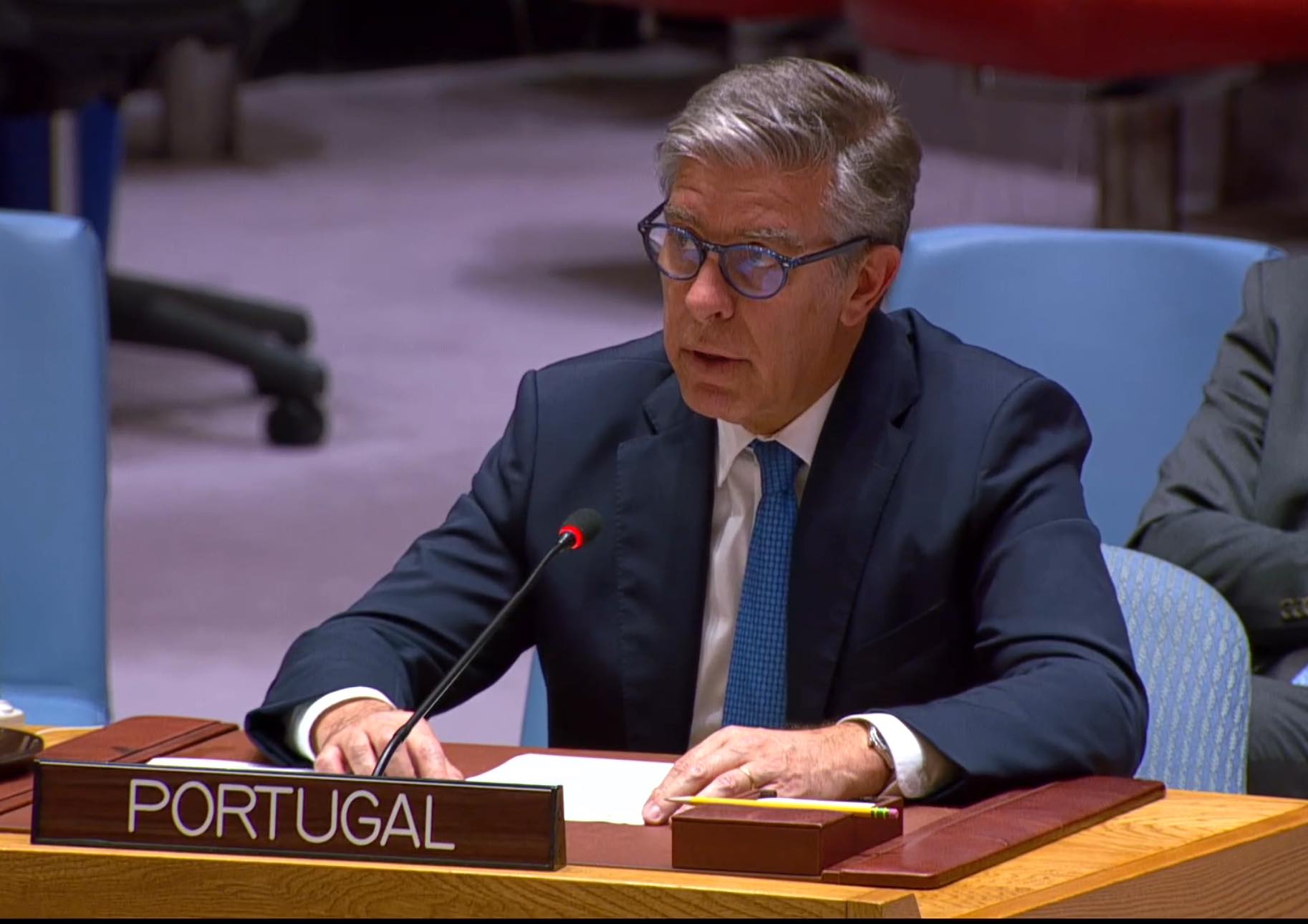
At the UN Security Council Open Debate on “Poverty, Underdevelopment, and Conflict,” chaired by Guyana, on June 19th, Portugal argued that there can be no lasting peace without development, and no development without peace – a vision the Security Council must reaffirm.
Portugal emphasized that poverty and exclusion are catalysts for conflict. Environmental degradation and marginalization fuel violence, lack of opportunities drives the recruitment of youth by armed groups, while food and water insecurity precipitate migration crises. Therefore, eradicating poverty and fostering resilient societies are essential for preventing threats to peace and are pillars of collective security.
The Four Lines of Action of Portugal’s Commitment
- Conflict Prevention: Advocating for integrated UN strategies combining peacekeeping, development assistance, and human rights monitoring. Supporting the Peacebuilding Commission’s role in bridging security and development actors.
- Strong Governance: Weak or inefficient institutions exacerbate social tensions. Portuguese cooperation includes programs for institutional support and capacity building, contributing to the rule of law and civil society.
- Local Empowerment: Sustainable peace requires local ownership. Portugal’s development programs, notably in Africa, focus on youth employment, education, and gender equality to create opportunities and counter radicalization.
- Climate Security: Climate change exacerbates resource scarcity, especially in Africa and Small Island Developing States. Portugal urges the Council to adopt climate-sensitive conflict analysis in its mandates.
As candidate for a non-permanent Security Council seat for 2027-2028, Portugal committed to concrete action to ensure peace is built on the foundations of dignity, opportunity, and hope.