Portugal calls for a Security Council that reflects today’s world in the intergovernmental negotiations on UNSC reform
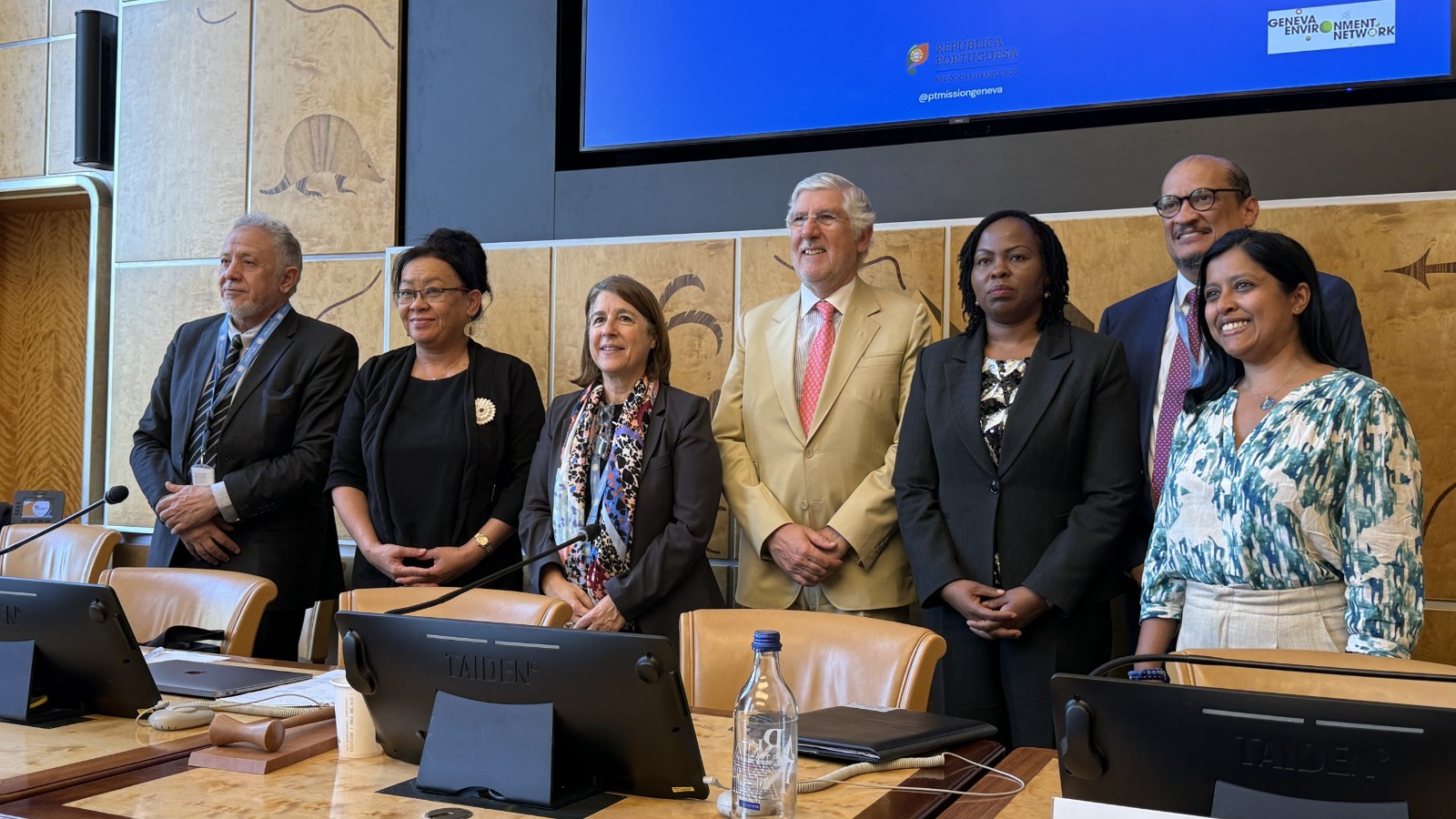
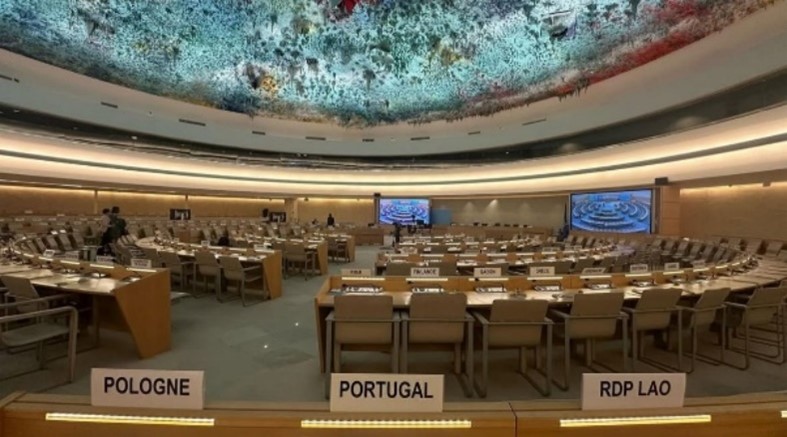
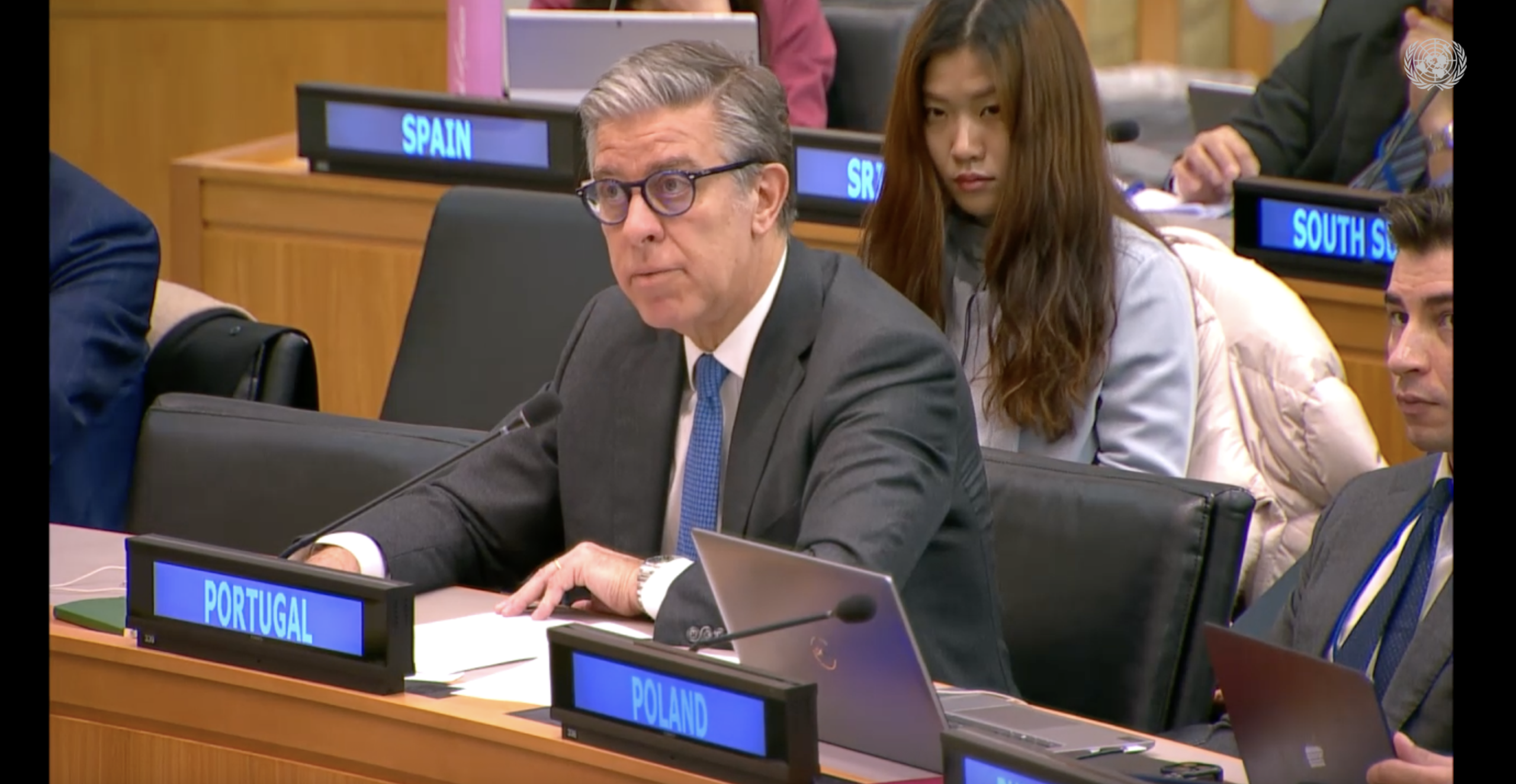
On 21–22 January 2026, Portugal participated in the Intergovernmental Negotiations (IGN) on the reform of the United Nations Security Council. The discussions took place amid renewed momentum for reform, heightened geopolitical tensions, and the UN’s 80th anniversary, reinforcing calls for a more representative, legitimate, and effective Council.
Ambassador Rui Vinhas underlined that a Council that does not reflect today’s geopolitical, demographic, and political realities, Portugal argued, will struggle to command with confidence and authority.
Portugal reiterated its long-standing position that reform must be inclusive, balanced, and realistic, capable of attracting broad political support while preserving the Council’s ability to act effectively. Enlargement should correct long-standing regional imbalances without undermining responsiveness to international peace and security challenges.
Portugal recognized the under-representation of Latin America and the Caribbean and acknowledged the strong case made by many delegations for enhanced representation, including through an additional permanent presence alongside a strengthened role for elected members.
Regarding the Asia-Pacific region, Portugal highlighted its demographic weight and growing geopolitical relevance, supporting a meaningful increase in representation, including an additional permanent seat, in line with the region’s contributions to international peace and security.
Portugal also emphasized the importance of cross-regional representation, noting that groups such as the Arab Group and the Small Island Developing States face transboundary common security challenges. Flexible arrangements, including rotating cross-regional seats, could help ensure their voices are heard.
Finally, Portugal reaffirmed that Africa remains a central priority in any reform package, as recognized in the Pact for the Future, stressing that reform elements, including membership categories, veto, and working methods are deeply interconnected.