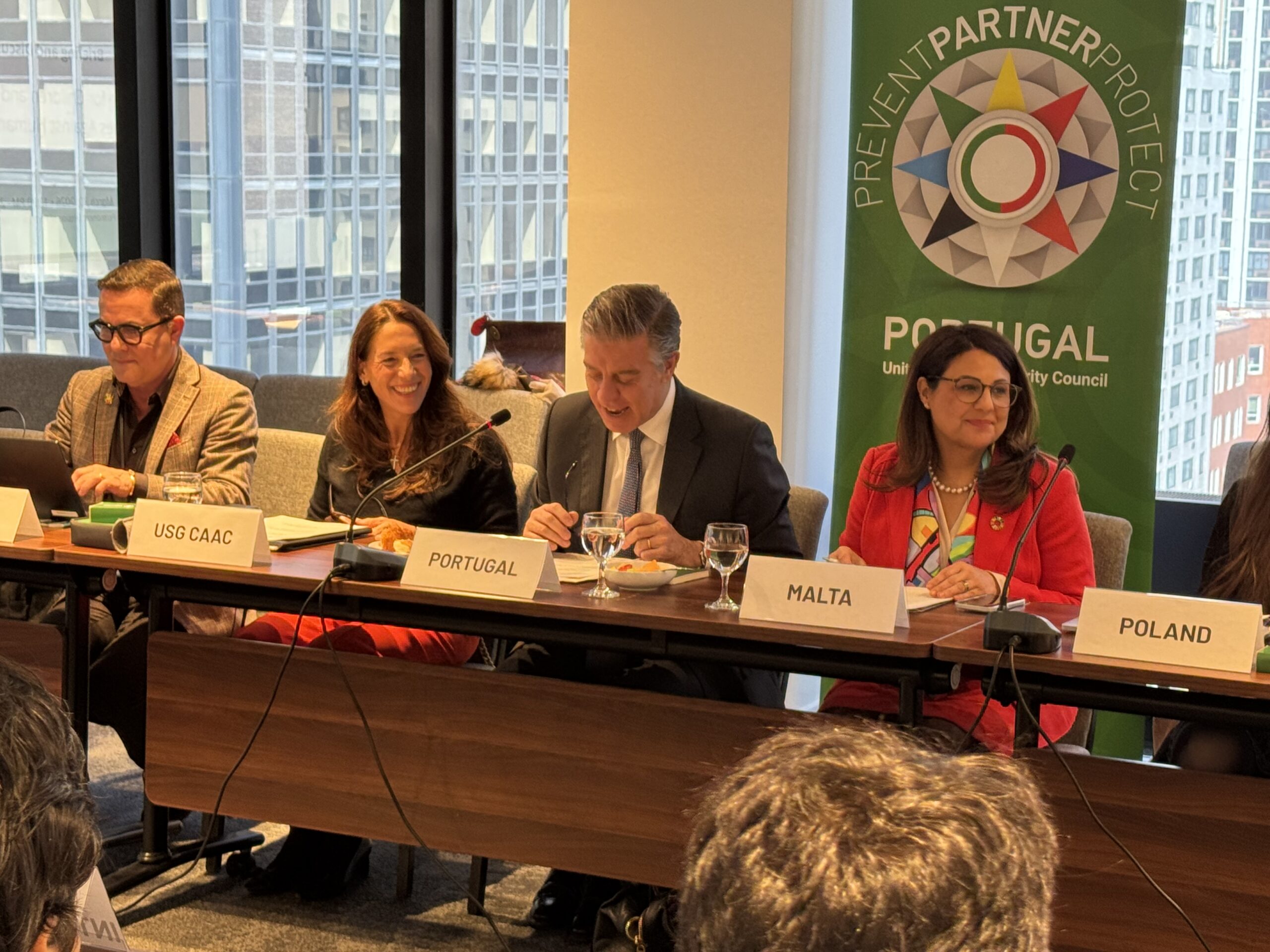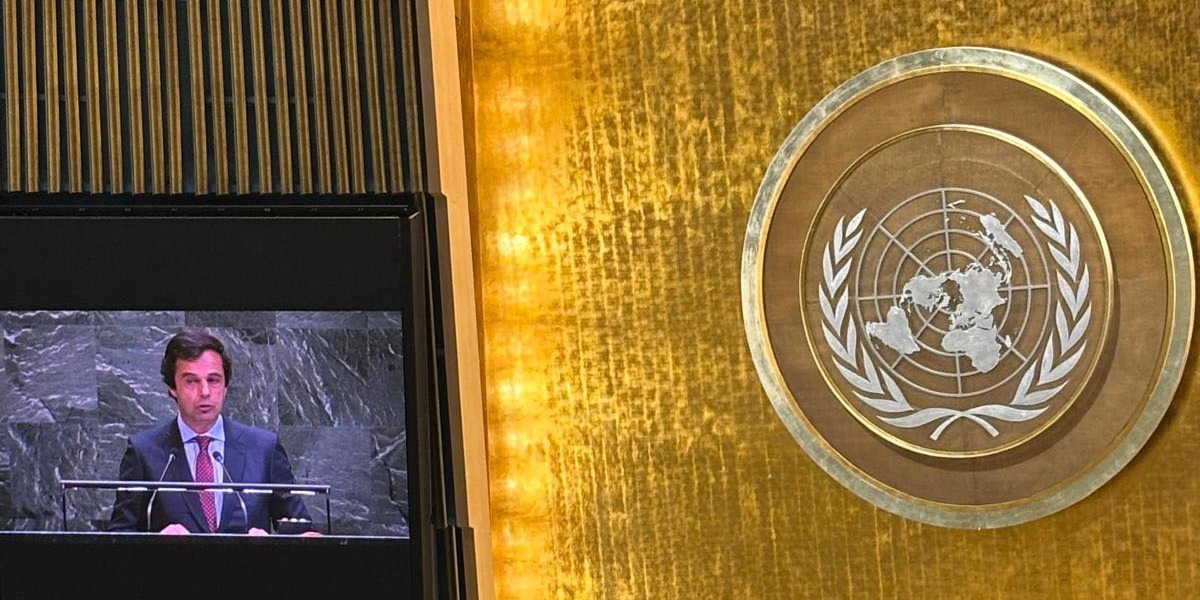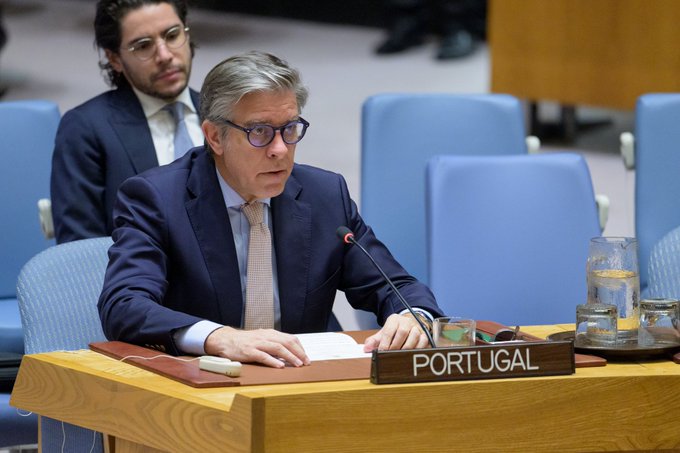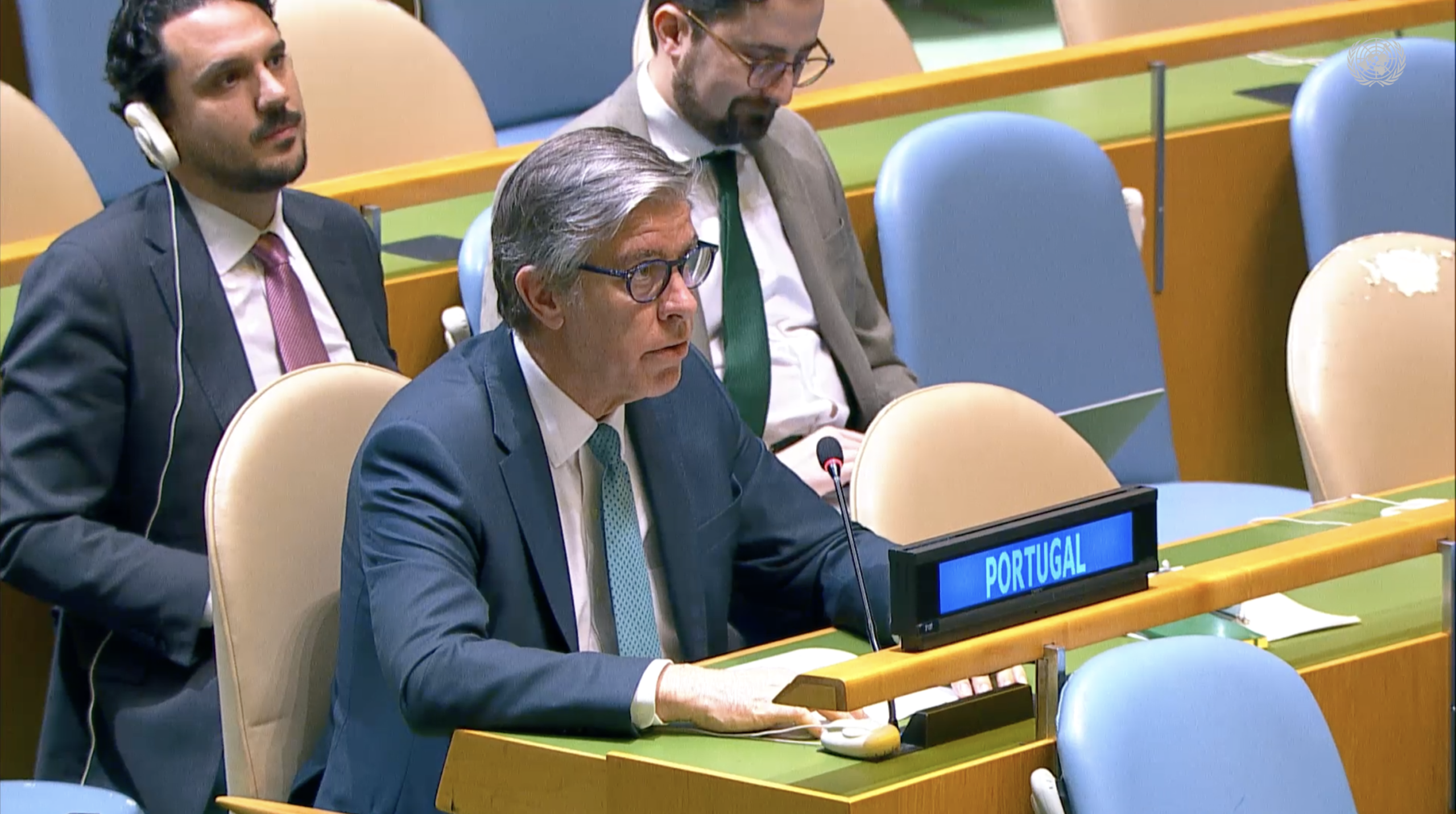
Portugal calls for greater responsibility and accountability in the use of the veto at UN Security Council reform talks
Portugal participated today in this year’s third session of the Intergovernmental Negotiations (IGN) on the reform of the United Nations Security Council, focusing on the question of the veto.
In his statement, Ambassador Rui Vinhas underlined that the veto remains a defining feature of the Council’s architecture since 1945, reflecting a specific historical context while continuing to shape its effectiveness today.
Portugal reiterated a balanced and pragmatic approach, expressing caution regarding proposals to create new permanent members without veto rights, noting that such options may introduce new forms of inequality and fall short of addressing concerns related to legitimacy and equitable representation. At the same time, Portugal emphasized the importance of the Common African Position and the need to address Africa’s historical underrepresentation as a central element of any meaningful reform.
In a context where key positions remain divergent, Portugal highlighted that the most constructive way forward lies in strengthening the responsibility and political cost associated with the use of the veto, including through greater restraint, transparency, and accountability. In this regard, Portugal pointed to existing initiatives such as the ACT Code of Conduct, the Franco-Mexican initiative, and the General Assembly’s Veto Initiative as important steps in this direction.
Portugal also stressed the continued relevance of Article 27(3) of the UN Charter, noting that its full and consistent application could contribute to enhancing the credibility of the Council’s decision-making process, in line with commitments undertaken under the Pact for the Future.
Acknowledging the complexity of the discussions, Portugal called for renewed efforts to build convergence around a reform that is realistic, legitimate, and capable of strengthening the effectiveness of the Security Council.